Introduction to Night Session Real-Time Trading: Essential Knowledge for Beginners




Image Source: pexels
Night session real-time trading is a type of buying and selling activity conducted during non-traditional trading hours. This type of trading typically takes place in the evening when major markets are closed, yet you can still trade through designated platforms. Its characteristics include high flexibility and greater market volatility, providing investors with additional trading opportunities.
For beginners, learning night session trading is crucial. It allows you to become familiar with different market conditions and master how to handle challenges in various trading environments. This not only helps improve your trading skills but also enables you to seek profit opportunities in a broader market.
Basics of Night Session Real-Time Trading
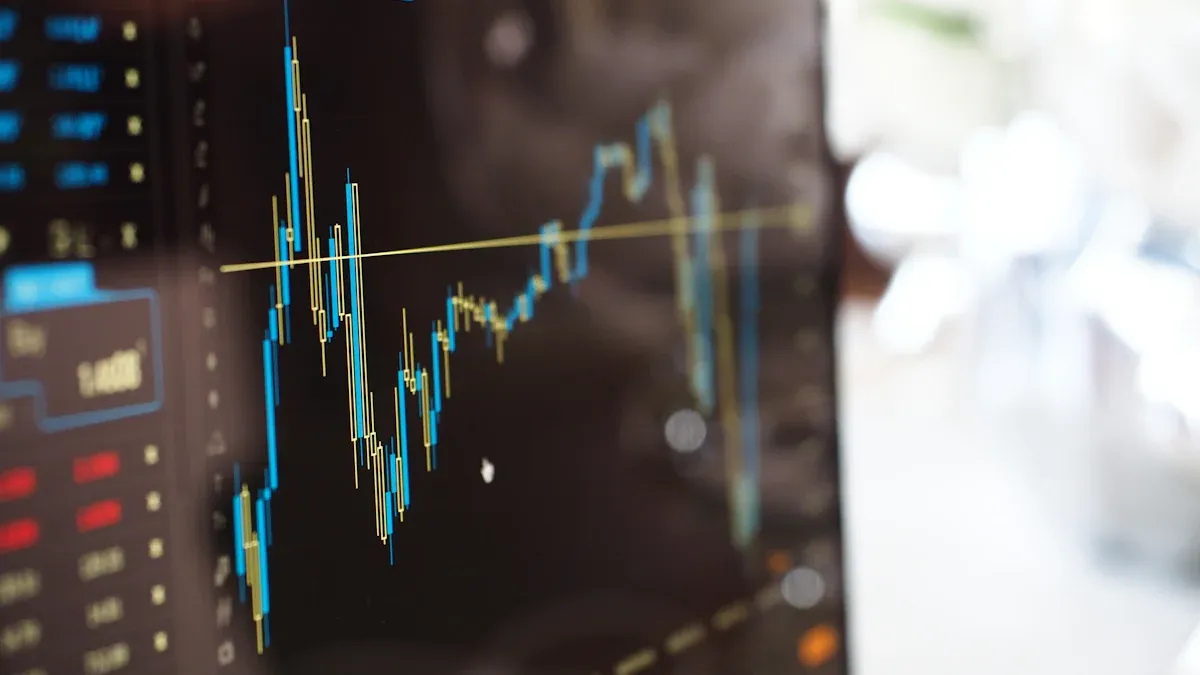
Image Source: pexels
Definition of Night Session Trading
Night session trading refers to trading activities conducted after major markets have closed. This type of trading usually occurs in the evening, covering futures, forex, and other financial instruments. Due to fewer market participants, price volatility may be higher, providing investors with more short-term opportunities.
You can leverage night session trading to capture global market dynamics. For example, when European and U.S. markets open, Asian markets are already closed, and night session trading allows you to participate in these market fluctuations, thereby increasing your trading flexibility.
Trading Hours and Characteristics of Night Sessions
The trading hours for night sessions vary by market but typically cover the evening to early morning. For example, the night session trading hours of the Hong Kong Futures Exchange are from 5:15 PM to 3:00 AM the next day. During this period, you can trade Hang Seng Index futures and other popular products.
The characteristics of night session trading include the following:
- High Volatility: Due to fewer market participants, prices may experience larger fluctuations.
- Global Market Linkage: Night session trading reflects the dynamics of other international markets, particularly the opening of European and U.S. markets.
- Strategic Flexibility: Studies show that dynamic adjustment strategies outperform static strategies in night session trading, especially when considering maximum strategy losses.
- Potential High Returns: Returns from entering the market before the settlement date are significantly higher than day trading strategies, demonstrating the potential advantages of night session trading.
These characteristics make night session trading an attractive option, but they also require you to have a certain level of market knowledge and adaptability.
Risks and Challenges of Night Session Trading
While night session trading offers more opportunities, it also comes with certain risks and challenges. Below are some common risks and ways to address them:
| Feature | Description |
|---|---|
| Information Integration Service | Provides comprehensive information integration to help traders reduce the time cost of data collection and analysis, improving operational accuracy. |
| Interactive Charts | Users can quickly grasp important night session information and switch between customized timeframes or institutional categories to understand capital flows and positioning. |
| Night Session Function | Offers a one-click switch to night session features, helping users quickly access critical night session information as the proportion of night session trading gradually increases. |
Additionally, psychological factors are a significant challenge. Night trading may affect your sleep schedule, leading to reduced judgment. You need to develop a clear trading plan and execute it strictly to minimize the risk of emotional trading.
In summary, while night session real-time trading is full of opportunities, you need to fully understand its risks and take appropriate measures to manage these challenges.
Essential Preparations for Beginners
Account Opening Process and Required Documents
To start night session real-time trading, you first need to open a trading account. Below is the general account opening process and required documents:
| Step | Description |
|---|---|
| 1 | The client expresses their intention to open a Standard Chartered Taiwan account through an overseas branch, and the overseas staff confirms the client’s eligibility. |
| 2 | The client signs the application and information disclosure authorization form and is referred to a Taiwan client relationship manager. |
| 3 | The client signs the account opening documents at the overseas branch, and the overseas staff forwards the documents to the Taiwan branch. |
| 4 | The Taiwan branch opens the account upon receiving complete documents and notifies the client. |
The documents you need to prepare include identification documents (e.g., passport or Hong Kong ID), proof of address (e.g., utility bill), and bank statements. Ensuring all documents are complete can expedite the account opening process.
How to Choose a Suitable Trading Platform
When choosing a trading platform, consider the following factors:
- Stability: Whether the platform can operate stably during highly volatile night session real-time trading.
- Trading Fees: Compare the transaction fees and other hidden costs of different platforms.
- Functionality: Whether the platform provides real-time quotes, technical analysis tools, and night session-specific features.
- Customer Service: Whether the platform offers 24-hour support, especially during night trading.
For example, some platforms in Hong Kong offer dedicated night session features, allowing you to quickly access important night session trading information, improving trading efficiency.
Introduction to Basic Tools for Night Session Trading
When conducting night session trading, you need to master some basic tools:
- Technical Analysis Software: Used to analyze price trends and develop trading strategies.
- Real-Time Quote System: Helps you stay updated with the latest market dynamics, especially in night session real-time trading.
- Risk Management Tools: Such as stop-loss orders and margin calculators, to help you control risks.
These tools can improve your trading efficiency and help you make more informed decisions in the volatile night session market.
Simple Trading Strategies
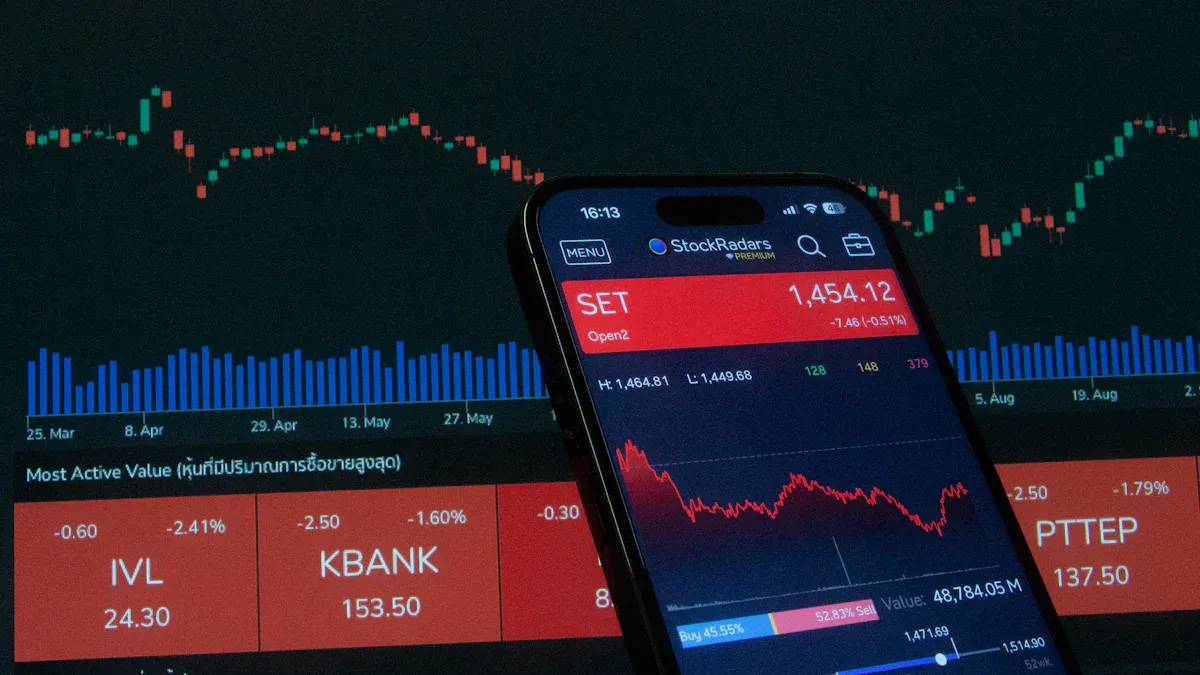
Image Source: pexels
Trend Following Strategy
The trend following strategy is a simple and effective trading method, particularly suitable for the night session real-time trading environment. The core concept of this strategy is to “go with the flow,” meaning you should trade in the direction of a clear upward or downward trend rather than against it.
How to implement the trend following strategy? Here are a few steps:
- Identify the Trend: Use technical analysis tools, such as moving averages (MA) or trendlines, to determine the main market direction.
- Confirm Entry Points: When the price breaks through key support or resistance levels, this is usually a good time to enter.
- Set Stop-Loss: Immediately set a stop-loss point after entering to limit potential losses.
- Hold and Exit: Maintain the position while the trend persists; exit decisively when the trend reverses or reaches the target price.
Tip: The trend following strategy performs particularly well in the highly volatile night session trading environment. You can take advantage of price fluctuations in the night market to capture short-term profits.
Importance of Stop-Loss Settings
Setting stop-losses is a fundamental skill every trader must master. It helps you keep losses within an acceptable range during volatile market conditions. Especially in night session real-time trading, where prices may experience extreme fluctuations due to fewer participants, stop-loss settings are particularly important.
Why are stop-loss settings so critical? Here are a few reasons:
- Risk Control: Stop-losses prevent excessive losses from a single trade, protecting your capital.
- Reduce Emotional Interference: When the market suddenly moves against you, a stop-loss can help you avoid larger losses due to emotional decisions.
- Improve Trading Efficiency: With a stop-loss in place, you can focus on other trading opportunities without constantly monitoring a single trade.
When setting a stop-loss, you can consider the following methods:
- Fixed Amount Method: Set a fixed loss amount based on your total capital.
- Technical Analysis Method: Place the stop-loss point outside key support or resistance levels to avoid being triggered by market noise.
Note: Stop-loss settings should be adjusted based on your trading plan and risk tolerance, and should not be changed arbitrarily.
How to Develop a Simple Trading Plan
A clear trading plan is the foundation of success. It helps you maintain discipline in night session real-time trading and avoid getting lost in market fluctuations. Here are a few steps to develop a simple trading plan:
- Set Goals: Clearly define your trading goals, such as daily or weekly profit targets.
- Choose a Strategy: Select an appropriate strategy based on market conditions, such as trend following or range trading.
- Risk Management: Set the maximum loss amount for each trade and ensure total risk is kept within 2%-5% of your capital.
- Execute the Plan: Strictly follow the plan and avoid changing strategies due to short-term market fluctuations.
- Record and Reflect: Document the results of each trade and periodically review and improve your plan.
Suggestion: Before starting trading, test your plan with a demo account to ensure its feasibility in the actual market.
When developing a trading plan, keep it simple. Overly complex plans may cause confusion during execution, affecting trading performance.
Common Mistakes and Precautions
Common Mistakes by Beginners
As a beginner in night session trading, you may make some common mistakes that could affect your trading performance. Here are a few issues to watch out for:
- Lack of a Trading Plan: Many beginners enter trades without a clear plan, leading to impulsive trading and increased risk of losses.
- Ignoring Risk Management: Failing to set stop-loss points or overusing leverage can lead to significant losses in volatile markets.
- Over-Reliance on Emotions: Emotional trading, such as exiting too early due to fear or holding positions too long due to greed, can affect your decisions.
- Ignoring Market Information: Failing to stay updated with the latest night session market dynamics may cause you to miss important trading opportunities.
Tip: The key to avoiding these mistakes lies in learning and practice. You need to continuously improve your trading knowledge and gain experience through actual operations.
How to Avoid Overtrading
Overtrading is a challenge many traders face, especially in the night session market. The following methods can help you effectively avoid this issue:
- Set a clear trading plan, including entry points, exit points, and stop-loss levels.
- Keep a daily record of trades and emotional states, reflecting on your behavior through a journal.
- Practice mindfulness and meditation to enhance self-awareness and stay calm under pressure.
- Limit trading time and frequency by setting fixed trading periods to avoid excessive operations.
- Learn to accept failures and losses as part of the learning process and approach the market rationally.
- Maintain physical and mental health, as regular exercise and a stable routine are crucial for psychological balance.
Suggestion: Incorporating these methods into your daily trading habits can effectively reduce the risk of overtrading and improve your trading efficiency.
Impact of Psychological Factors on Trading
Psychological factors play a significant role in night session trading. Your emotions and mental state directly affect trading decisions. Here are a few psychological challenges to watch out for:
- Stress Management: Night trading may disrupt your sleep and routine, leading to increased stress. Excessive stress can impair your judgment.
- Fear and Greed: These two emotions are the main enemies of traders. Fear may cause you to miss opportunities, while greed can lead to overtrading.
- Lack of Confidence: Beginners often doubt their decisions due to a lack of experience, which can lead to missed opportunities.
Tip: Staying calm and rational is key to success. You can improve psychological resilience through mindfulness practices and regular lifestyle habits to better handle trading challenges.
Night session real-time trading offers flexible investment opportunities, but success depends on mastering basic knowledge and strategies. From trend following to stop-loss settings, every step requires careful execution. For beginners, it’s recommended to start with small trades and gradually build experience to effectively reduce risks and boost confidence.
Tip: Continuous learning and patience are critical factors for trading success. Here are some data points supporting this suggestion:
- Long-term stock market investments typically yield higher average returns than bonds.
- Short-term trading may lead to losses, while patient waiting can bring more stable returns.
Remember, trading is a long-term learning journey. Stay disciplined, focus on improving your skills, and you’ll have a better chance of succeeding in night session trading.
FAQ
Is Night Session Trading Suitable for Everyone?
Night session trading is suitable for investors with some market knowledge and the ability to tolerate high volatility risks. If you’re a beginner, it’s recommended to start with small trades and gradually build experience.
How Much Capital Is Needed for Night Session Trading?
The capital required for night session trading varies by product. For example, the margin for Hang Seng Index futures is approximately USD 10,000. You should choose trading products based on your financial situation.
How to Access Real-Time Market Information in Night Session Trading?
You can use real-time quote systems or technical analysis tools provided by trading platforms. These tools help you stay updated with the latest market dynamics and improve trading efficiency.
What Are the Transaction Fees for Night Session Trading?
Transaction fees vary by platform. Some platforms in Hong Kong charge approximately USD 5 to USD 10 for night session trading. Compare fees carefully when choosing a platform.
Does Night Session Trading Require Special Skills?
Night session trading requires basic technical analysis skills, such as trend identification and stop-loss settings. If you’re a beginner, start by learning the basics and gradually improve your skills.
Real-time night futures trading offers novice traders opportunities to capture global market fluctuations. However, its high volatility and capital management challenges require support from efficient digital financial tools. BiyaPay provides an all-in-one platform that allows trading of U.S. stocks and Hong Kong stocks without overseas accounts, enabling you to flexibly participate in markets such as Hang Seng Index futures. Combined with real-time quotation tools, it enhances trading efficiency.
The platform supports the exchange between over 30 types of fiat currencies (including USD and HKD) and digital currencies. Real-time exchange rate queries ensure transparent transactions. Cross-border remittances cover more than 190 countries, with remittance fees as low as 0.5%, significantly reducing costs compared to traditional banks. With a 5.48% annualized interest rate on on-demand wealth management products (no lock-in period), it balances the high risks of night futures trading with capital liquidity. Register now at BiyaPay! Combine your trading strategies with BiyaPay’s digital financial tools to achieve efficient and low-cost global investments!
*This article is provided for general information purposes and does not constitute legal, tax or other professional advice from BiyaPay or its subsidiaries and its affiliates, and it is not intended as a substitute for obtaining advice from a financial advisor or any other professional.
We make no representations, warranties or warranties, express or implied, as to the accuracy, completeness or timeliness of the contents of this publication.
Related Blogs of

Focusing on AI and Semiconductors: In-Depth Analysis of 10 Leading Future US Tech Stocks


US-China Trade War Enters New Phase: How the Tech Industry Can Respond to Supply Chain Impacts

How to Choose US Major Indices: Pros and Cons Analysis of S&P 500, Dow Jones, and Nasdaq

Master US Stock Trading Hours in One Article: Never Miss Pre-Market and After-Hours Opportunities

Choose Country or Region to Read Local Blog
 Australia
 Austria
 Belgium
 Canada
 Cyprus
 Czech Republic
 Denmark
 Estonia
 Finland
 France
 Germany
 Greece
 Hong Kong
 India
India Indonesia
 Ireland
 Italy
Italy Japan
Japan Latvia
 Lithuania
 Luxembourg
 Malaysia
 Malta
Malta Morocco
 Nepal
Nepal Netherlands
 New Zealand
 Norway
 Pakistan
 Philippines
 Poland
 Portugal
 Romania
 Singapore
 Slovakia
 Slovenia
 South Africa
 South Korea
 Spain
Spain Sweden
 Thailand
 The United States
 Turkey
 United Arab Emirates
 United Kingdom
 Vietnam
Contact Us




BIYA GLOBAL LLC is a licensed entity registered with the U.S. Securities and Exchange Commission (SEC No.: 802-127417); a certified member of the Financial Industry Regulatory Authority (FINRA) (Central Registration Depository CRD No.: 325027); regulated by the Financial Industry Regulatory Authority (FINRA) and the U.S. Securities and Exchange Commission (SEC).
BIYA GLOBAL LLC is registered with the Financial Crimes Enforcement Network (FinCEN), an agency under the U.S. Department of the Treasury, as a Money Services Business (MSB), with registration number 31000218637349, and regulated by the Financial Crimes Enforcement Network (FinCEN).
BIYA GLOBAL LIMITED is a registered Financial Service Provider (FSP) in New Zealand, with registration number FSP1007221, and is also a registered member of the Financial Services Complaints Limited (FSCL), an independent dispute resolution scheme in New Zealand.