What Investors Need to Know About Changes to Hang Seng Index Constituents




Image Source: pexels
The latest adjustments to the Hang Seng Index constituents have attracted widespread market attention. This change includes the addition of Midea Group and ZTO Express, while removing some underperforming companies. These changes reflect the market’s reassessment of corporate market capitalization and trading activity. For you, this may mean that your investment portfolio needs a review, as these changes not only affect the overall performance of the index but may also alter capital flows in certain industries. Understanding these changes can help you better navigate market volatility and seize potential investment opportunities.
Latest Changes to Hang Seng Index Constituents
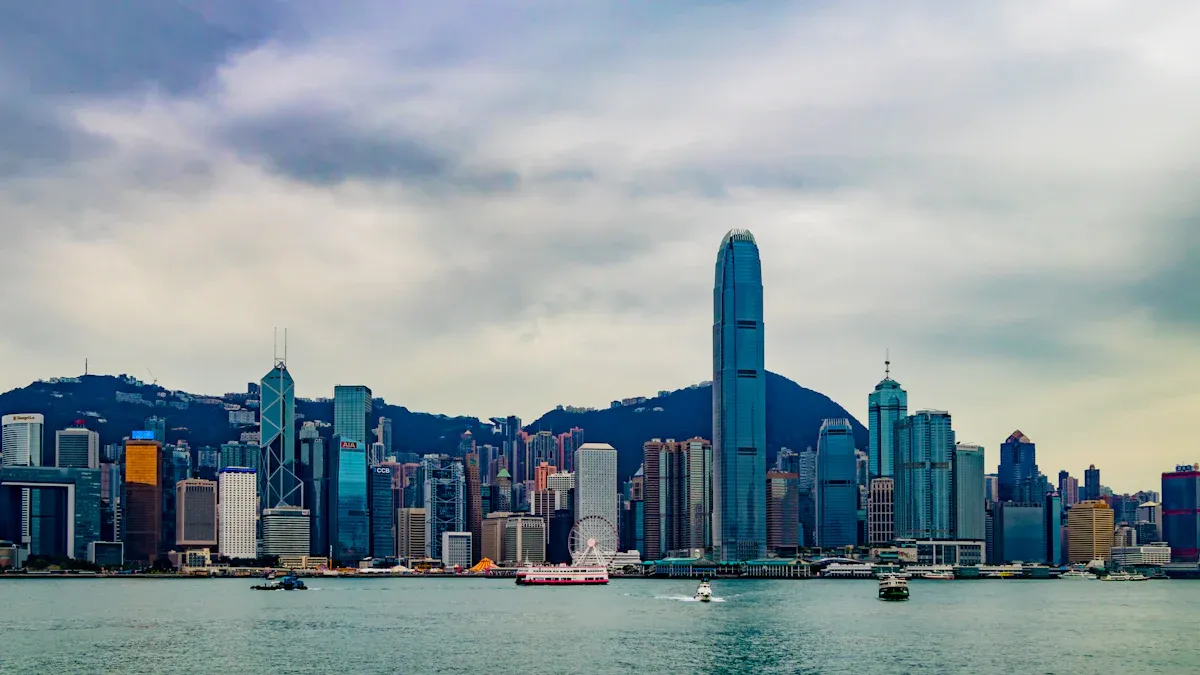
Image Source: pexels
Newly Added Companies: Midea Group and ZTO Express
In this adjustment to the Hang Seng Index constituents, Midea Group and ZTO Express have been added as new members. Midea Group, a leading company in China’s home appliance industry, has earned its place in the Hang Seng Index due to its stable performance growth and global operations. ZTO Express, a top player in China’s logistics industry, has successfully drawn market attention with its significant market share and efficient operational model.
The inclusion of these two companies in the Hang Seng Index reflects the market’s high recognition of their future growth potential. For you, this could be a signal worth noting, as new constituent stocks often attract more capital inflows, potentially driving stock price increases.
Removed Companies
At the same time, some underperforming companies have been removed from the Hang Seng Index constituents. These companies may have lost market favor due to shrinking market capitalization, declining trading volume, or intensified industry competition. Removed companies typically face greater market pressure, as this may lead institutional investors to reduce their allocations to these stocks.
For you, this is a signal to be cautious about. If your investment portfolio includes these removed companies, it will be particularly important to reassess their future growth potential and risk levels.
Main Reasons for the Changes: Market Capitalization, Trading Volume, and Market Confidence
The changes to the Hang Seng Index constituents are primarily based on three key factors: market capitalization, trading volume, and market confidence.
- Market Capitalization: As a market capitalization-weighted index, the Hang Seng Index is most influenced by the price movements of large-cap blue-chip stocks. Therefore, growth or contraction in market capitalization directly determines whether a company can enter or remain in the index.
- Trading Volume: High trading volume typically indicates strong market attention to a company, serving as an important indicator of liquidity.
- Market Confidence: Local economic data in Hong Kong (such as GDP, unemployment rate, retail sales, etc.), breaking news, and corporate earnings reports can affect investor confidence, thereby influencing changes to the Hang Seng Index constituents.
For example, the 2019 “anti-extradition” protests had a negative impact on Hong Kong’s economy, leading to fluctuations in the Hang Seng Index. Meanwhile, the recovery of the technology sector in 2023 drove market capitalization growth for related companies, further influencing index adjustments.
For you, understanding the impact of these factors can help you better predict market trends and gain an advantage in investment decisions.
Impact of Hang Seng Index Constituent Changes on the Market
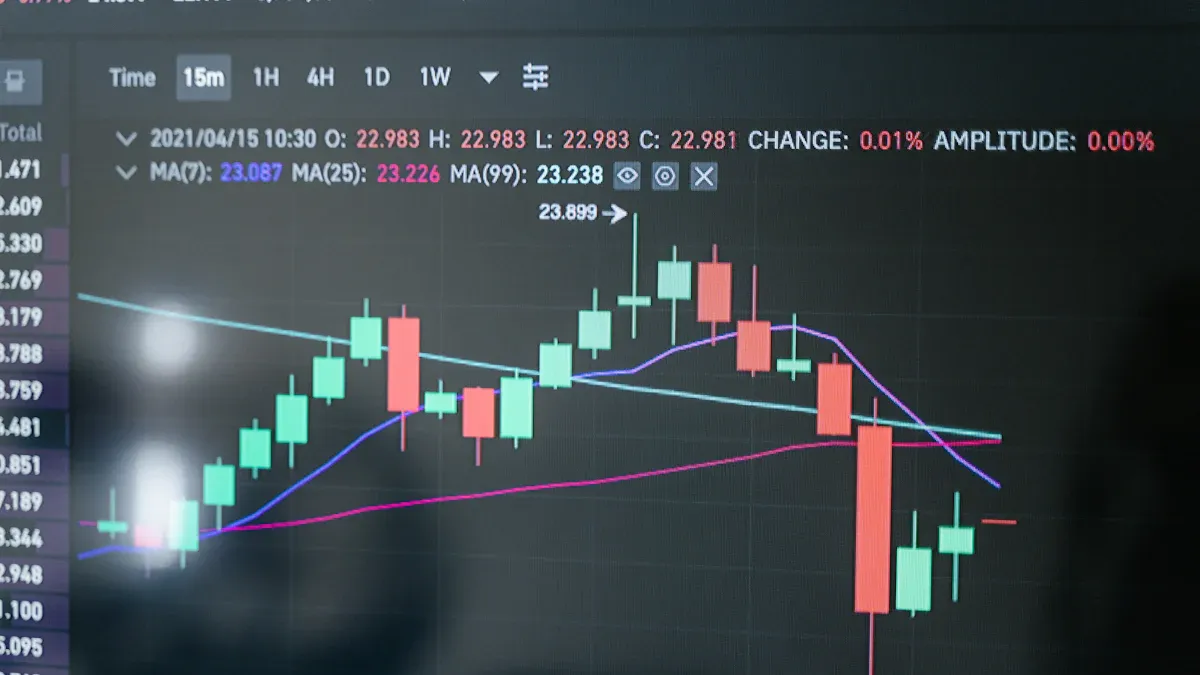
Image Source: pexels
Short-Term Impact: Market Volatility and Investor Sentiment
Adjustments to the Hang Seng Index constituents typically trigger short-term market volatility. Newly added or removed companies attract investor attention, leading to a sharp increase in trading volume for these stocks. You may notice that the prices of these stocks experience significant fluctuations in the days following the announcement of the changes. This is primarily due to investor expectations for new constituent stocks and concerns about removed companies.
Additionally, market sentiment will also be affected. When newly added companies come from fast-growing industries, such as technology or logistics, the market may become more optimistic about the prospects of those industries. Conversely, when removed companies are from traditional industries, it may raise concerns about the future development of those sectors. You need to closely monitor these sentiment changes, as they may impact your investment decisions.
Long-Term Impact: Changes to Index Performance and Market Structure
Changes to the Hang Seng Index constituents not only affect short-term market volatility but also have a profound impact on the index’s long-term performance. Newly added companies typically have higher growth potential, which may enhance the overall performance of the index. You may notice that the performance of these companies in the coming years will significantly influence the index’s trajectory.
At the same time, the market structure will also change. For example, as more technology companies are added to the Hang Seng Index, the weighting of the technology sector will increase, potentially attracting more capital inflows to that industry. You need to consider the impact of these changes on your investment portfolio and adjust your strategy accordingly.
Industry Impact: Ripple Effects on Related Industry Stock Prices
Adjustments to the Hang Seng Index constituents can also trigger ripple effects on stock prices in related industries. When a company from a specific industry is added or removed, other companies in that industry may be affected. For example, when ZTO Express was added to the Hang Seng Index, other logistics companies’ stocks may rise due to optimistic market expectations for the industry’s prospects.
You need to closely monitor the dynamics of these industries, especially companies with business connections to the newly added or removed constituents. These companies may experience price fluctuations due to changes in market sentiment, providing potential investment opportunities for you.
How Investors Should Respond to Changes in Hang Seng Index Constituents
Reassess Your Investment Portfolio
Changes to the Hang Seng Index constituents may directly impact your investment portfolio’s performance. When newly added or removed companies alter the index’s structure, you need to review your existing asset allocation. Check whether your portfolio includes any of the removed companies and evaluate their future growth potential. If their fundamentals have deteriorated, reducing your holdings may be a prudent choice.
At the same time, newly added companies typically have higher market attention and growth potential. You may consider including these companies in your portfolio, especially when their industry outlook is promising. For example, the addition of Midea Group and ZTO Express reflects market confidence in the home appliance and logistics industries. The growth of these industries may bring new opportunities to your portfolio.
Focus on the Growth Potential of New Constituent Stocks
The growth potential of new constituent stocks is often a focal point for investors. These companies typically have stable performance and promising market prospects. For example, the case of Tripod Technology shows that even in the off-season, its revenue remained strong, indicating potential new growth momentum. Similar cases include companies like Yageo and Unimicron, whose revenues exceeded market expectations and triggered positive market reactions.
You can assess the growth potential of new constituent stocks by analyzing their financial statements, industry trends, and market ratings. In particular, logistics companies like ZTO Express, with their significant market share and efficient operational models, may provide stable returns for you. Paying attention to these companies’ performance and market dynamics will help you seize potential investment opportunities.
Strengthen Risk Management and Diversification Strategies
Market volatility is inevitable, but you can reduce risks by strengthening risk management and diversification strategies. A multi-factor strategy is an effective approach, as it can reduce concentration risk and enhance portfolio stability. For example, by broadly allocating across cyclical, defensive, and dynamic factors, you can mitigate the cyclical impact of individual factors.
Markowitz’s theory emphasizes that including securities with low correlation in a portfolio can maximize returns at a given risk level. His famous quote, “Diversification is the only free lunch,” further underscores the importance of diversification. You can consider including securities from different regions, industries, and asset classes in your portfolio to reduce the impact of volatility in a single market or industry.
Additionally, regularly review your portfolio to ensure it aligns with your risk tolerance and financial goals. Such a strategy not only helps you navigate changes to the Hang Seng Index constituents but also maintains stable investment returns during market turbulence.
The changes to the Hang Seng Index constituents reveal the market’s reassessment of corporate value and industry prospects. Newly added companies like Midea Group and ZTO Express reflect market confidence in the home appliance and logistics industries. At the same time, removed companies serve as a reminder to be cautious of risks related to industry competition and shrinking market capitalization.
Data Shows: Adjusting investment strategies can lead to better market performance. Below is the average increase in the S&P 500 Index:
Time Period Average S&P 500 Increase 3 Months 3.0% 6 Months 6.8% 12 Months 11.4%
Additionally, the Hang Seng Technology Index has risen over 18% year-to-date, with multiple constituent stocks gaining more than 30%. This indicates that adjusting investment strategies and focusing on the growth potential of new constituent stocks may bring higher returns for you. Act now, review your portfolio, and delve into the potential of new constituent stocks to prepare for future market volatility.
FAQ
1. Why does the Hang Seng Index periodically adjust its constituents?
Adjustments to the Hang Seng Index constituents are based on factors such as market capitalization, trading volume, and market confidence. These changes aim to ensure the index accurately reflects the latest market dynamics and economic structure.
Tip: Regularly follow index adjustment announcements to stay informed about market trends.
2. Do newly added constituent stocks always present investment opportunities?
Newly added constituent stocks typically attract more capital inflows, which may drive stock price increases. However, you need to analyze their fundamentals and industry prospects to avoid blindly following trends.
Data Shows: Newly added constituent stocks often experience significant short-term volatility, suitable for investors with higher risk tolerance.
3. Do removed companies lose their investment value?
Removed companies may lose market favor due to shrinking market capitalization or declining trading volume. However, some companies may still have potential, depending on their fundamentals and industry competitiveness.
Note: Companies removed from the index may face greater market pressure, so careful evaluation is necessary.
4. How can I quickly learn about changes to the Hang Seng Index constituents?
You can obtain the latest information through the official website of Hang Seng Indexes Company Limited or financial news platforms. These channels provide detailed adjustment lists and analyses.
Suggestion: Subscribe to relevant news alerts to stay updated on changes in real time.
5. How should investors respond to market volatility?
Diversification is an effective strategy to manage volatility. You can allocate funds across different regions, industries, and asset classes to reduce the risk of a single market.
- Example:
- Technology Industry: ZTO Express
- Consumer Industry: Midea Group
Expert Advice: Regularly review your portfolio to ensure it aligns with your financial goals.
Changes in the Hang Seng Index constituents, such as the addition of Midea Group and ZTO Express, highlight growth potential in appliances and logistics, yet market volatility and cross-border investment costs challenge investors. BiyaPay offers a seamless digital financial platform, enabling trading in U.S. and Hong Kong stocks without offshore accounts, helping you navigate opportunities and risks from HSI adjustments.
Supporting USD, HKD, and 30+ fiat and digital currencies with real-time exchange rate transparency, plus global remittances to 190+ countries with remittance fees as low as 0.5%, it outperforms traditional banking’s costly processes. A 5.48% annualized yield savings product with no lock-in period balances returns and liquidity, aiding portfolio optimization amid market shifts. Sign up for BiyaPay today to leverage HSI change insights with BiyaPay’s digital financial solutions for efficient, cost-effective global investing!
*This article is provided for general information purposes and does not constitute legal, tax or other professional advice from BiyaPay or its subsidiaries and its affiliates, and it is not intended as a substitute for obtaining advice from a financial advisor or any other professional.
We make no representations, warranties or warranties, express or implied, as to the accuracy, completeness or timeliness of the contents of this publication.
Related Blogs of

Essential Apps for Getting Started with US Stock Futures: These Apps Will Turn You into a Pro


A Blessing for Small Investors: Finding the Lowest Trading Cost US Stock Brokers

US-China Trade War Enters New Phase: How the Tech Industry Can Respond to Supply Chain Impacts

Annual Review: Best Performing US Stock ETFs in 2026 and the Logic Behind Them

Choose Country or Region to Read Local Blog
 Australia
 Austria
 Belgium
 Canada
 Cyprus
 Czech Republic
 Denmark
 Estonia
 Finland
 France
 Germany
 Greece
 Hong Kong
 India
India Indonesia
 Ireland
 Italy
Italy Japan
Japan Latvia
 Lithuania
 Luxembourg
 Malaysia
 Malta
Malta Morocco
 Nepal
Nepal Netherlands
 New Zealand
 Norway
 Pakistan
 Philippines
 Poland
 Portugal
 Romania
 Singapore
 Slovakia
 Slovenia
 South Africa
 South Korea
 Spain
Spain Sweden
 Thailand
 The United States
 Turkey
 United Arab Emirates
 United Kingdom
 Vietnam
Contact Us




BIYA GLOBAL LLC is a licensed entity registered with the U.S. Securities and Exchange Commission (SEC No.: 802-127417); a certified member of the Financial Industry Regulatory Authority (FINRA) (Central Registration Depository CRD No.: 325027); regulated by the Financial Industry Regulatory Authority (FINRA) and the U.S. Securities and Exchange Commission (SEC).
BIYA GLOBAL LLC is registered with the Financial Crimes Enforcement Network (FinCEN), an agency under the U.S. Department of the Treasury, as a Money Services Business (MSB), with registration number 31000218637349, and regulated by the Financial Crimes Enforcement Network (FinCEN).
BIYA GLOBAL LIMITED is a registered Financial Service Provider (FSP) in New Zealand, with registration number FSP1007221, and is also a registered member of the Financial Services Complaints Limited (FSCL), an independent dispute resolution scheme in New Zealand.