Must-Read for Investors: 2025 US Stock Market Holiday Schedule and Impact Analysis



Image Source: pexels
The 2025 US stock market holiday schedule is critical to your investment decisions. The holiday closures each year typically align with traditional US holidays, such as New Year’s Day, Thanksgiving, and Independence Day. New Year’s Day (January 1) results in a US stock market closure, reminding you to plan your trading strategies in advance. The market is fully closed on Thanksgiving Thursday, while Black Friday sees an early closure, potentially reducing liquidity. Independence Day (July 4) is another significant closure day, with trading volume typically lower. Special circumstances, such as financial crises, may trigger unscheduled closures, which could directly impact market trends. Understanding these dates can help you better arrange your trading schedule and avoid investment losses due to market closures.
Key Points
- Understanding the 2025 US stock market holiday dates can help you plan trading strategies in advance and avoid losses due to closures.
- Before holidays, market liquidity typically decreases, so it’s advisable to reduce high-risk trades and focus funds on stable assets.
- Use the closure period to reassess your investment portfolio, adjust asset allocation to minimize potential losses, and maintain cash flow flexibility.
- Stay informed about broker announcements to keep up with market dynamics, helping you maintain an edge during market changes.
- In the face of unexpected temporary closures, stay informed, diversify investments, and set stop-loss points in advance to reduce risks.
2025 US Stock Market Holiday Dates
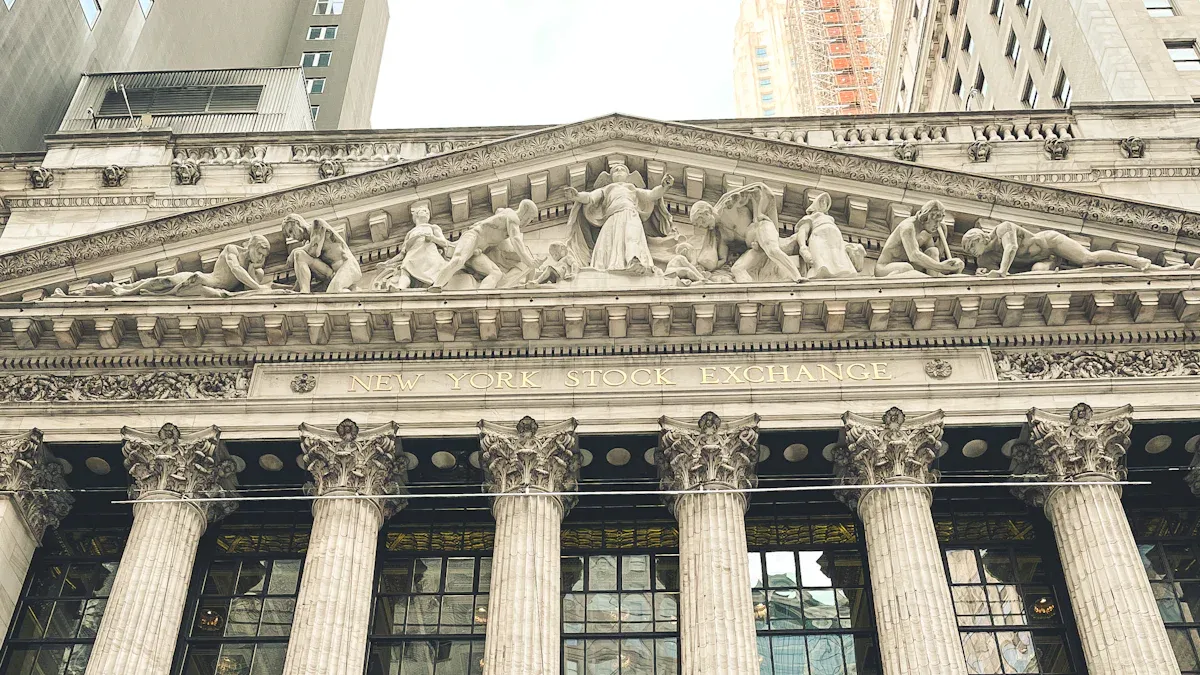
Image Source: pexels
Full-Year Holiday Schedule
Understanding the 2025 US stock market holiday dates is crucial for your investment planning. Below is a complete holiday schedule covering the New York Stock Exchange, Nasdaq, and bond market arrangements. You can refer to this table to plan your trading schedule in advance and avoid disruptions to investment decisions due to closures.
| Date | 2025 Market Holidays and Half-Days | NYSE | Nasdaq | Bond Market |
|---|---|---|---|---|
| January 1, 2025 | New Year’s Day | Closed | Closed | Closed |
| January 9, 2025 | National Day of Mourning | Closed | Closed | Closes at 2 PM |
| January 20, 2025 | Martin Luther King Jr. Day | Closed | Closed | Closed |
| February 17, 2025 | Presidents’ Day | Closed | Closed | Closed |
| April 17, 2025 | Maundy Thursday | Open | Open | Closes at 2 PM |
| April 18, 2025 | Good Friday | Closed | Closed | Closed |
| May 23, 2025 | Friday Before Memorial Day | Open | Open | Closes at 2 PM |
| May 26, 2025 | Memorial Day | Closed | Closed | Closed |
| June 19, 2025 | Juneteenth National Independence Day | Closed | Closed | Closed |
| July 3, 2025 | Day Before Independence Day | Closes at 1 PM | Closes at 1 PM | Closes at 2 PM |
| July 4, 2025 | Independence Day | Closed | Closed | Closed |
| September 1, 2025 | Labor Day | Closed | Closed | Closed |
| October 13, 2025 | Columbus Day | Open | Open | Closed |
| November 11, 2025 | Veterans Day | Open | Open | Closed |
| November 27, 2025 | Thanksgiving | Closed | Closed | Closed |
| November 28, 2025 | Day After Thanksgiving | Closes at 1 PM | Closes at 1 PM | Closes at 2 PM |
| December 24, 2025 | Christmas Eve | Closes at 1 PM | Closes at 1 PM | Closes at 2 PM |
| December 25, 2025 | Christmas Day | Closed | Closed | Closed |
| December 31, 2025 | New Year’s Eve | Open | Open | Closes at 2 PM |
Overview of Major Holidays
US stock market closures typically align with major US holidays. New Year’s Day (January 1) and Christmas Day (December 25) are the most significant closure days of the year. Thanksgiving (November 27) and Independence Day (July 4) are also full closure days. These holidays are usually accompanied by reduced market liquidity and lower trading volumes. You should be aware of these dates in advance to avoid high-frequency trading around holidays.
Additionally, federal holidays like Martin Luther King Jr. Day (January 20) and Presidents’ Day (February 17) result in full market closures. These dates may have less impact on long-term investors but require special attention from short-term traders.
Half-Day Trading Arrangements
In addition to full closure days, 2025 includes several half-day trading sessions. These typically occur on the eve of holidays, such as the Friday after Thanksgiving (November 28) and Christmas Eve (December 24). On these days, the New York Stock Exchange and Nasdaq close early at 1 PM, while the bond market closes at 2 PM.
Half-day trading sessions usually see lower market liquidity, which can lead to increased price volatility. You should avoid large transactions on these days and adjust your portfolio in advance to mitigate risks.
Market Impact of US Stock Market Closures
Image Source: pexels
Liquidity Changes
During US stock market closures, market liquidity typically decreases significantly. As trading activities are suspended, investors cannot buy or sell, potentially increasing price volatility before and after closures. You need to be particularly cautious, as trading days before holidays often experience reduced liquidity, with some investors exiting the market early to mitigate risks.
Historical data shows that liquidity changes have a profound impact on markets. For example, on October 24, 1997, the Dow Jones Industrial Average closed at 7,715.40 points, but on October 27, due to insufficient liquidity, it dropped to a low of 7,159.92 points, triggering a circuit breaker. In March 2020, the US stock market triggered circuit breakers multiple times due to the pandemic, highlighting market fragility in special circumstances. These cases remind you that liquidity changes during closures can significantly affect market trends.
Investor Behavior Analysis
US stock market closures not only affect liquidity but also alter investor behavior patterns. You may notice that many investors reduce their holdings before holidays to avoid being unable to respond to sudden events during market closures. This behavior often leads to increased trading volume before holidays, while markets may experience brief price volatility after holidays.
Additionally, during closure periods, investors often use this time to reassess their portfolios and analyze market trends. This is an opportunity for you to adjust your strategies. You can use this period to study market data and prepare for the next trading day.
Short-Term Trading Strategy Adjustments
In response to US stock market closures, you need to flexibly adjust short-term trading strategies. Before holidays, you should consider reducing holdings in high-risk assets and allocating funds to more liquid assets. This can mitigate potential losses due to market closures.
Half-day trading sessions are also critical. Due to shorter trading hours, market liquidity may further decrease, increasing price volatility. You should avoid large transactions on these days and set stop-loss points in advance to manage risks.
In summary, understanding the market impact of US stock market closures and adjusting strategies based on liquidity changes and investor behavior can help you maintain stable investment performance during market fluctuations.
Special Circumstances and Unscheduled Closures
Possibility of National Days of Mourning
US stock market closures may occur due to national days of mourning. When significant events occur in the US, such as the passing of a former president or a national disaster, the government may declare a day of mourning, requiring financial markets to close. You need to stay alert to these unexpected events, as they are typically not included in the annual holiday schedule. A recent example is in 2018, when the US stock market closed for a day to mourn former President George H.W. Bush. Such closures can affect market liquidity and lead to price volatility. Staying informed about relevant news can help you better handle these special circumstances.
Closures Triggered by Major Events
Major events, such as natural disasters, terrorist attacks, or financial crises, may also lead to US stock market closures. These events typically have a significant impact on markets, forcing exchanges to suspend operations to stabilize the market. For example, after the September 11, 2001, terrorist attacks, the US stock market closed for four days, with significant declines upon reopening. You should closely monitor news and market announcements and adjust your investment strategies promptly when major events occur. This can reduce potential losses and protect your assets.
Strategies for Handling Unscheduled Closures
In the face of unscheduled closures, you need to adopt effective response strategies. Here are some suggestions:
- Stay Informed: Regularly check news and broker announcements to stay updated on events that may affect US stock market closures.
- Diversify Investments: Allocate funds to different markets, such as Hong Kong or European markets, to reduce risks.
- Set Stop-Loss Points: Set stop-loss points in advance to avoid significant losses due to sudden market closures.
- Maintain Cash Flow: Ensure sufficient cash reserves to handle market volatility after reopening.
Tip: Unscheduled closures may bring uncertainty, but you can reduce risks and seize opportunities by planning ahead and responding flexibly.
Investor Response Strategies
Planning Your Trading Schedule
You need to plan your trading schedule in advance to maintain investment stability during US stock market closures. First, refer to the full-year holiday schedule and mark important closure dates on your calendar. This can help you avoid high-risk trading around closures. Second, use the time before holidays to adjust your trading strategies, such as reducing short-term investments and focusing funds on stable assets. Market liquidity is typically lower before holidays, and planning ahead can mitigate losses due to price volatility.
Additionally, you can use trading tools or apps to set reminders to ensure you don’t miss half-day trading sessions or unscheduled closure announcements. These tools can help you manage your trading schedule more effectively and act quickly when markets reopen.
Monitoring Broker Announcements
Broker announcements are a critical source for staying updated on market dynamics. You should regularly review your broker’s notifications, especially before and after US stock market closures. Brokers typically provide advance information on closure schedules, changes in trading hours, and liquidity forecasts. These announcements can help you better navigate market fluctuations.
For example, some Hong Kong brokers may offer special trading services, allowing you to invest in international markets during US stock market closures. You can use these services to diversify risks and maintain fund flexibility. Staying informed about broker announcements can give you an edge during market changes.
Adjusting Your Investment Portfolio
During US stock market closures, you should reassess your investment portfolio. First, check if your asset allocation aligns with current market trends. Before holidays, you can reduce the proportion of high-risk assets and increase investments in stable assets, such as bonds or money market funds. This can mitigate potential losses due to market closures.
Second, consider diversifying investments. Allocating some funds to other markets, such as Hong Kong or European markets, can help you maintain investment activity during US market closures. Finally, use the closure period to analyze market data and prepare for the next trading day. This is a good opportunity to adjust your strategy, making your portfolio more resilient.
Tip: Maintaining sufficient cash flow when adjusting your portfolio is crucial. This can help you seize opportunities quickly when the market reopens.
The 2025 US stock market holiday schedule covers several key holidays, including New Year’s Day, Thanksgiving, and Christmas. Below is a brief overview of the main closure dates:
| Date | Day | Holiday/Half-Day |
|---|---|---|
| January 1, 2025 | Wednesday | New Year’s Day |
| July 4, 2025 | Friday | Independence Day |
| November 27, 2025 | Thursday | Thanksgiving |
| December 25, 2025 | Thursday | Christmas |
Understanding these dates in advance can help you plan trading strategies more effectively and avoid disruptions to investment decisions due to market closures. You should leverage this information to adjust your portfolio, ensure fund flexibility, and maintain stable performance during market fluctuations.
Tip: Mastering the holiday schedule not only reduces risks but also allows you to seize investment opportunities when the market reopens.
FAQ
Can I trade in other markets during US stock market closures?
Yes, you can choose to invest in other international markets, such as Hong Kong or European markets. This can help you maintain fund activity and diversify investment risks during US market closures.
Does market liquidity on half-day trading sessions affect investment strategies?
Yes. Half-day trading sessions typically have lower liquidity, which may increase price volatility. You should avoid large transactions and set stop-loss points in advance to mitigate risks.
How should I handle unscheduled closures?
Stay informed by regularly checking broker announcements. Diversify investments to other markets and ensure sufficient cash flow. Setting stop-loss points in advance can effectively reduce losses from sudden closures.
Is it suitable to engage in high-frequency trading before or after US stock market closures?
It’s not recommended. Liquidity decreases before and after closures, increasing price volatility. You should reduce high-risk trading and focus funds on stable assets to mitigate risks.
Should I adjust my investment portfolio during closures?
Yes. You should reassess asset allocation, reduce the proportion of high-risk assets, and increase investments in stable assets. Diversifying into other markets can help maintain investment stability during closures.
In 2025, U.S. stock market holidays (e.g., July 4 Independence Day, November 27 Thanksgiving) and half-day sessions (e.g., July 3, December 24 closing at 1 p.m. ET) reduce liquidity, while unexpected closures (e.g., 2018 Bush memorial day) add uncertainty—how can you maintain investment flexibility? BiyaPay offers a digital financial platform, enabling seamless trading in U.S. and global markets without offshore accounts, helping you navigate holiday-driven market fluctuations.
Supporting USD, HKD, and 30+ currencies with real-time exchange rate tracking for transparency, plus global remittances to 190+ countries with remittance fees as low as 0.5%, it outperforms traditional banks’ costly and complex processes. A 5.48% annualized yield savings product with no lock-in period ensures balanced returns and liquidity. Sign up for BiyaPay now to leverage U.S. holiday insights with BiyaPay’s global financial solutions for efficient, low-cost wealth management!
*This article is provided for general information purposes and does not constitute legal, tax or other professional advice from BiyaPay or its subsidiaries and its affiliates, and it is not intended as a substitute for obtaining advice from a financial advisor or any other professional.
We make no representations, warranties or warranties, express or implied, as to the accuracy, completeness or timeliness of the contents of this publication.
Related Blogs of

Master US Stock Trading Hours in One Article: Never Miss Pre-Market and After-Hours Opportunities

How to Choose US Major Indices: Pros and Cons Analysis of S&P 500, Dow Jones, and Nasdaq

Micro Dow, Micro Nasdaq, Micro S&P Futures Comprehensive Comparison – Helping You Find the Best Trading Choice

Is the W-8BEN Form Required for Opening a US Stock Account? Understand How to Save on Taxes in One Article

Choose Country or Region to Read Local Blog
 Australia
 Austria
 Belgium
 Canada
 Cyprus
 Czech Republic
 Denmark
 Estonia
 Finland
 France
 Germany
 Greece
 Hong Kong
 India
India Indonesia
 Ireland
 Italy
Italy Japan
Japan Latvia
 Lithuania
 Luxembourg
 Malaysia
 Malta
Malta Morocco
 Nepal
Nepal Netherlands
 New Zealand
 Norway
 Pakistan
 Philippines
 Poland
 Portugal
 Romania
 Singapore
 Slovakia
 Slovenia
 South Africa
 South Korea
 Spain
Spain Sweden
 Thailand
 The United States
 Turkey
 United Arab Emirates
 United Kingdom
 Vietnam
Contact Us




BIYA GLOBAL LLC is a licensed entity registered with the U.S. Securities and Exchange Commission (SEC No.: 802-127417); a certified member of the Financial Industry Regulatory Authority (FINRA) (Central Registration Depository CRD No.: 325027); regulated by the Financial Industry Regulatory Authority (FINRA) and the U.S. Securities and Exchange Commission (SEC).
BIYA GLOBAL LLC is registered with the Financial Crimes Enforcement Network (FinCEN), an agency under the U.S. Department of the Treasury, as a Money Services Business (MSB), with registration number 31000218637349, and regulated by the Financial Crimes Enforcement Network (FinCEN).
BIYA GLOBAL LIMITED is a registered Financial Service Provider (FSP) in New Zealand, with registration number FSP1007221, and is also a registered member of the Financial Services Complaints Limited (FSCL), an independent dispute resolution scheme in New Zealand.