How to Adapt to the Latest Adjustments in U.S. Stock Trading Hours



Image Source: pexels
Adjustments to U.S. stock trading hours can pose a challenge for you. Whether you are a novice or an experienced investor, these changes can impact your trading plans and decisions. Particularly, the U.S. stock market opening hours in Hong Kong can cause operational inconveniences for investors in Asia due to time differences. You need to understand the details of these changes to remain competitive in the market.
U.S. Stock Market Opening Hours in Hong Kong and Latest Trading Hour Changes
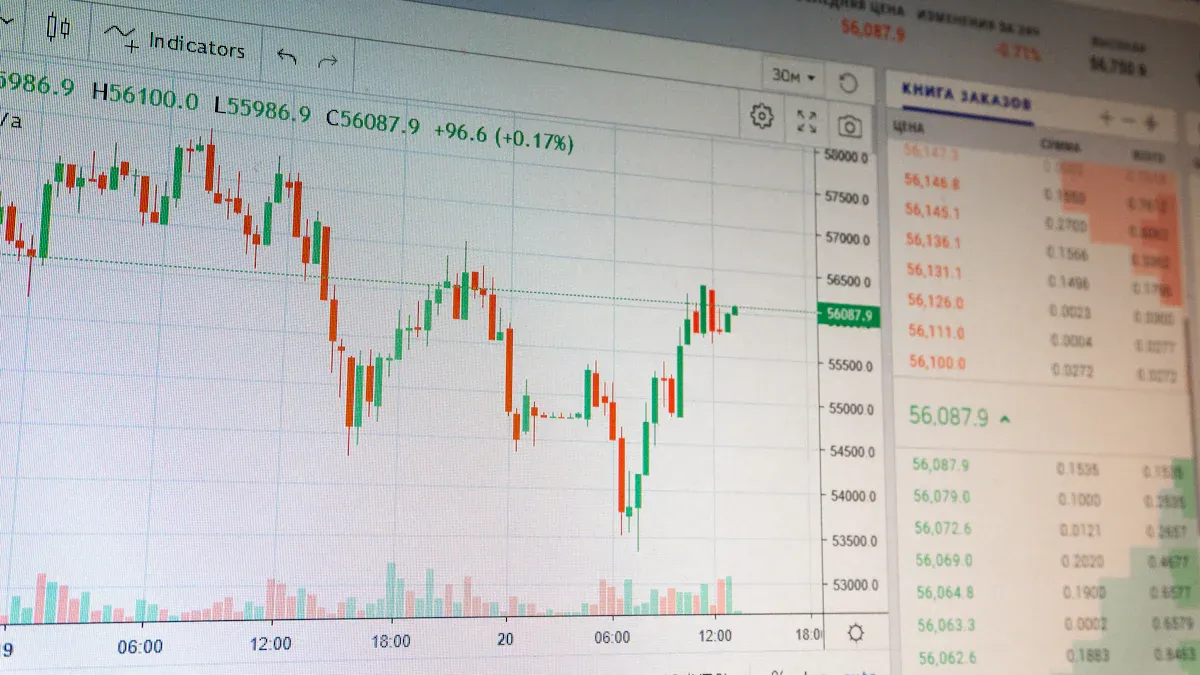
Image Source: pexels
Regular Trading Hours and Extended Trading Sessions
The regular trading hours for U.S. stocks are from 9:30 AM to 4:00 PM Eastern Time, corresponding to 9:30 PM to 4:00 AM the next day in Hong Kong time. In addition, there are pre-market and after-hours trading sessions, from 4:00 AM to 9:30 AM and 4:00 PM to 8:00 PM Eastern Time, respectively. These extended trading sessions provide investors with more flexibility but also introduce new challenges.
Performance data for extended trading sessions shows that not all markets benefit from them. For example, after the Tokyo Stock Exchange extended its trading hours, the trading volume on the first day was only 4.05 trillion yen, below the daily average of 4.5 trillion yen. After the Korea Exchange extended its closing time in 2016, the average daily trading volume dropped by 17.5%. These data suggest that extending trading hours may not significantly enhance market activity and could even impact liquidity.
Impact of Daylight Saving Time and Standard Time Switches on Trading Hours
U.S. stock trading hours change due to switches between daylight saving time and standard time. During daylight saving time, regular trading hours are from 9:30 AM to 4:00 PM Eastern Time, corresponding to 9:30 PM to 4:00 AM the next day in Hong Kong time. During standard time, trading hours are delayed by one hour, corresponding to 10:30 PM to 5:00 AM the next day in Hong Kong time.
These time changes can affect the scheduling of trading plans for investors across time zones. For example, during daylight saving time, the after-hours trading session corresponds to 4:00 AM to 8:00 AM Hong Kong time, which is a challenge for investors who need to operate in the early morning. Therefore, you need to understand these time changes in advance and adjust your trading strategies accordingly.
| Time Type | Eastern Time (ET) | Beijing Time |
|---|---|---|
| Regular Trading Hours | 9:30 AM - 4:00 PM | 9:30 PM - 4:00 AM |
| Daylight Saving Time | 1:00 PM - 8:00 PM | 1:00 AM - 8:00 AM |
| Standard Time | 2:00 PM - 9:00 PM | 2:00 AM - 9:00 AM |
| Pre-Market Trading | 4:00 AM - 9:30 AM | 4:00 PM - 9:30 PM |
| After-Hours Trading | 4:00 PM - 8:00 PM | 4:00 AM - 8:00 AM |
Trading Hour Arrangements for Specific Brokers (e.g., Firstrade, IB, Charles Schwab)
Different brokers have varying trading hour arrangements. For example, Firstrade’s trading hours are 20 hours per day, from 8:00 AM to 4:00 AM the next day Eastern Time. Interactive Brokers (IB) offers 16 hours of regular trading hours, from 4:00 AM to 8:00 PM, with an additional 7 hours and 50 minutes of extended trading sessions. Charles Schwab plans to offer 24/7 trading services starting in 2025, with regular trading hours from 7:00 AM to 8:00 PM.
These differences mean you need to choose a suitable broker based on your trading needs. If you value flexibility, consider brokers offering longer trading hours; if you focus on trading costs and service quality, further compare the advantages of different platforms.
| Broker | Trading Hour Arrangement |
|---|---|
| Firstrade | Starting in 2025, 8:00 AM – 4:00 AM the next day (20 hours) |
| Interactive Brokers | 4:00 AM - 8:00 PM (16 hours), 8:00 PM - 3:50 AM (7 hours 50 minutes) |
| Charles Schwab | Starting in 2025, 7:00 AM – 8:00 PM (13 hours) + 24/7 trading |
Holiday Closures and Special Trading Day Regulations
The U.S. stock market’s holiday closure schedule significantly impacts your trading plans. Understanding the latest closure regulations can help you avoid missing trading opportunities due to market closures. Below is key information about U.S. stock market holiday closures and special trading days.
U.S. Stock Market Holiday Closure Schedule
The U.S. stock market typically closes on major U.S. holidays, such as New Year’s Day, Independence Day, Thanksgiving, and Christmas. These closure days usually include regular trading hours and extended trading sessions. You need to check the annual closure calendar in advance and adjust your trading plans based on these dates.
Here are examples of some U.S. stock market holiday closures for 2023:
- New Year’s Day: Closed on January 1
- Independence Day: Closed on July 4
- Thanksgiving Day: Closed on November 23
- Christmas Day: Closed on December 25
Tip: You can use trading calendars provided by brokers to quickly check U.S. stock market opening hours in Hong Kong and holiday closure schedules.
Special Trading Day Regulations
In addition to fixed holiday closures, the U.S. stock market has special trading days, such as early closure days. These days typically occur on the eve of holidays, such as the day before Thanksgiving or Christmas. Early closure days usually end trading at 1:00 PM Eastern Time.
Early closures may affect market liquidity and volatility. You need to pay attention to these special trading day arrangements and avoid large transactions during periods of low liquidity.
How to Handle Holiday Closures and Special Trading Days
- Plan Trading Strategies in Advance: Adjust your trading strategies based on holiday closure and special trading day schedules. Avoid high-risk operations before market closures.
- Use Technical Tools: Leverage automated trading tools to help you execute trades quickly after the market reopens.
- Monitor Market Announcements: Regularly check announcements from brokers or exchanges to stay informed about the latest holiday and special trading day arrangements.
Holiday closures and special trading day regulations may disrupt your trading rhythm. Preparing in advance can help you maintain stability during market fluctuations.
Impact of Trading Hour Adjustments on Investors
Impact on Trading Strategies
Adjustments to trading hours may require you to reassess your existing trading strategies. Extended trading sessions provide more operational flexibility but may also increase decision-making complexity. You need to consider how to allocate funds across different sessions and choose the best trading times based on market activity. For example, pre-market and after-hours sessions typically have lower liquidity, with greater price volatility. These sessions are suitable for short-term traders but may not be ideal for long-term investors.
Additionally, daylight saving time and standard time switches may affect your trading plans. Changes in U.S. stock market opening hours in Hong Kong may require you to operate during different time periods. You can choose to trade during high-liquidity sessions and avoid large transactions when market volatility is excessive.
Impact on Market Liquidity and Volatility
Adjustments to trading hours directly impact market liquidity and volatility. Extended trading sessions may disperse market activity, leading to lower liquidity in certain periods. Insufficient liquidity can increase trading costs and affect asset price stability.
Below are the main factors affecting market liquidity and volatility:
| Influencing Factor | Description |
|---|---|
| Economic Environment | Changes in the economic environment affect liquidity and volatility, especially in emerging markets. |
| Policy Changes | Policy adjustments may lead to changes in market sentiment, impacting liquidity. |
| Market Sentiment | Fluctuations in investor sentiment directly affect asset price volatility. |
| Liquidity Risk | Liquidity risks may limit transaction redemptions or payments, affecting market stability. |
| Emerging Market Characteristics | Political and economic instability in emerging markets leads to higher volatility and risks. |
You need to closely monitor market sentiment and policy changes and adjust trading strategies based on liquidity and volatility trends. Choosing high-liquidity sessions for trading can effectively reduce risks.
Advantages and Risks of Overnight Trading
Overnight trading provides opportunities to operate outside regular trading hours. The main advantage of this trading method is the ability to quickly respond to sudden market events, such as major policy announcements or corporate earnings releases. Overnight trading also allows you to lock in profits before the market reopens.
However, overnight trading comes with certain risks. Insufficient liquidity may lead to heightened price volatility and increased trading costs. Additionally, fewer market participants during overnight trading may cause prices to deviate from normal levels. You need to carefully choose the timing for overnight trading and ensure sufficient risk management measures are in place.
Overnight trading is suitable for investors who can quickly analyze market information and make decisive decisions. If you prefer a conservative trading approach, consider operating within regular trading hours to avoid the potential risks of overnight trading.
Coping Strategies
Image Source: pexels
Adjusting Trading Plans to Adapt to the New Schedule
Facing adjustments to U.S. stock trading hours, you need to replan your trading strategies. First, ensure you are familiar with daylight saving time and standard time switch schedules and adjust your operations based on market activity in different sessions. For example, pre-market and after-hours sessions have lower liquidity, making them suitable for short-term traders to execute quick operations, while regular trading hours are more suitable for long-term investors.
Additionally, setting clear trading goals and risk management measures is crucial. You can choose appropriate trading sessions based on market volatility and avoid large transactions during low-liquidity periods. Regularly review your trading plan to ensure it can flexibly adapt to market changes.
Tip: Use calendar tools to mark important trading days and holiday closure schedules to help you manage time more effectively.
Choosing Suitable Trading Platforms and Tools
Choosing the right trading platform and tools can significantly enhance your trading efficiency. You should consider the platform’s trading hour arrangements, fee structures, and technical support. For example, Firstrade offers 20-hour trading sessions, while Interactive Brokers provides more flexible extended trading sessions. Choose the platform that best suits your needs.
Additionally, data analytics tools and user evaluation reports can help you make more informed choices:
- DISCO Digital Sustainability Management Platform enhances efficiency and transparency, streamlining communication chains.
- Data tools expand management coverage, helping you quickly grasp supply chain risks.
- AI technology can analyze customer behavior in real-time, providing personalized services and improving satisfaction.
Choosing a platform that offers efficient data analytics and technical support can make you more competitive in trading.
Leveraging Technical Tools (e.g., Automated Trading) to Improve Efficiency
Automated trading tools are an effective solution for adapting to trading hour changes. These tools can monitor the market 24/7, helping you seize every trading opportunity. Through backtesting and strategy optimization, automated tools ensure your trading plan remains effective under different market conditions.
Below are the main advantages of automated trading tools:
- Reduce human errors and emotional decisions.
- Monitor multiple assets simultaneously, improving trading efficiency.
- Operate 24/7, ensuring no market opportunities are missed.
Tip: Choose automated tools with backtesting capabilities to evaluate the long-term performance of your strategies and reduce risks.
By leveraging technical tools, you can manage trading hours more efficiently and maintain an edge in the market.
Strengthening Risk Management to Address Challenges of Extended Trading Hours
Extended trading hours may bring more opportunities but also come with higher risks. You need to adopt effective risk management strategies to ensure stability during market fluctuations.
1. Set Clear Stop-Loss Points
Stop-loss points are the core of risk management. You should set reasonable stop-loss ranges based on the asset’s volatility and market conditions. For example, if a stock’s average daily volatility is 5%, you can set a stop-loss point to automatically sell when the price drops by more than 5%. This can effectively reduce losses.
Tip: Use the trading platform’s automated stop-loss function to execute trades during rapid market changes.
2. Diversify Investments to Reduce Risk
Diversifying investments can reduce the impact of volatility in a single asset. You can choose assets from different industries or regions to build a diversified portfolio. For example, allocate funds to technology, energy, and financial sectors or invest in U.S. and Asian markets. This can balance returns and risks.
3. Regularly Review Trading Plans
Market conditions may change at any time. You need to regularly review your trading plan to ensure it adapts to the latest market conditions. When reviewing, consider the following factors:
- Is the asset’s liquidity sufficient?
- Is market volatility beyond expectations?
- Do stop-loss points or fund allocations need adjustments?
4. Control Trading Frequency
Frequent trading may increase fees and risks. You should choose an appropriate trading frequency based on market activity. Pre-market and after-hours sessions have lower liquidity, suitable for short-term traders; regular trading hours are more suitable for long-term investors.
Note: Avoid emotional trading; staying calm helps you make more rational decisions.
5. Use Technical Tools to Support Risk Management
Technical tools can help you manage risks more efficiently. For example, automated trading systems can execute trades based on preset conditions, reducing human errors. Risk analysis software provides real-time data, helping you quickly assess market conditions.
| Tool Type | Function Description |
|---|---|
| Automated Trading System | Automatically executes trades based on conditions |
| Risk Analysis Software | Provides real-time market data and risk assessment |
| Stop-Loss Function | Automatically sells assets within a set price range |
Strengthening risk management can help you remain stable amidst the challenges of extended trading hours. Adopting the above strategies can better equip you to handle market volatility and improve trading efficiency.
The adjustments to U.S. stock trading hours bring new challenges and opportunities for you. You need to grasp the key points of these changes, such as daylight saving time and standard time switches, the characteristics of extended trading sessions, and holiday closure schedules. Flexibly adapting to these changes can help you stay competitive in the market.
Tip: Regularly review your trading strategies and adjust them based on market changes. This can reduce risks and enhance returns.
Maintaining risk awareness and planning your trading strategies reasonably will enable you to navigate volatile markets steadily.
FAQ
1. How do daylight saving time and standard time switches affect your trading plans?
During daylight saving time, U.S. stock market opening hours in Hong Kong are from 9:30 PM to 4:00 AM the next day; during standard time, they are delayed by one hour. You need to adjust your trading plans based on these changes, especially for pre-market or after-hours trading, to ensure you don’t miss important market opportunities.
Tip: Use calendar tools to mark daylight saving time and standard time switch dates to better plan your trading hours.
2. Are extended trading sessions suitable for all investors?
Extended trading sessions are suitable for short-term traders, as these sessions have lower liquidity and greater price volatility. Long-term investors should prioritize regular trading hours, as market activity is higher and prices are more stable.
Note: Extended trading sessions carry higher risks, so trade cautiously and set stop-loss points.
3. How to choose a suitable broker to adapt to trading hour changes?
When choosing a broker, consider the flexibility of trading hours, fee structures, and technical support. For example, Firstrade offers 20-hour trading, suitable for investors needing more operational time; Interactive Brokers provides diverse extended trading sessions.
| Broker | Trading Hour Arrangement |
|---|---|
| Firstrade | 8:00 AM – 4:00 AM the next day (20 hours) |
| Interactive Brokers | 4:00 AM - 8:00 PM (16 hours) |
4. How do holiday closures affect your trading strategies?
Holiday closures may reduce market liquidity, impacting your trading plans. Understand closure schedules in advance, avoid high-risk operations before market closures, and use automated tools to execute trades quickly after the market reopens.
Suggestion: Regularly check trading calendars provided by brokers to ensure you don’t miss important trading days.
5. How do automated trading tools help you adapt to trading hour adjustments?
Automated trading tools can monitor the market 24/7, helping you seize every trading opportunity. They reduce human errors and execute trades based on preset conditions, improving efficiency.
Advantages:
Reduce emotional decisions
Operate 24/7
Improve trading efficiency
Tip: Choose tools with backtesting capabilities to evaluate the long-term performance of your strategies and reduce risks.
In 2025, U.S. stock market trading hour adjustments pose new challenges, with Hong Kong trading times at 9:30 PM to 4:00 AM HKT in summer time, shifting an hour later in winter time, and pre-market, after-hours, and holiday closures testing flexibility—how can you stay competitive amidst time zone differences and market volatility? BiyaPay offers a digital financial platform, enabling seamless trading of U.S. and Hong Kong stocks without offshore accounts, empowering you to adapt to trading hour changes and seize sudden market opportunities.
Supporting USD, HKD, and 30+ currencies with real-time exchange rate tracking for transparency, plus global remittances to 190+ countries with remittance fees as low as 0.5%, it surpasses traditional banks’ costly and complex processes. A 5.48% annualized yield savings product with no lock-in period balances liquidity and steady returns. Sign up for BiyaPay now to leverage global financial solutions, navigate U.S. trading hour adjustments, and achieve robust investments!
*This article is provided for general information purposes and does not constitute legal, tax or other professional advice from BiyaPay or its subsidiaries and its affiliates, and it is not intended as a substitute for obtaining advice from a financial advisor or any other professional.
We make no representations, warranties or warranties, express or implied, as to the accuracy, completeness or timeliness of the contents of this publication.
Related Blogs of
Micro Dow, Micro Nasdaq, Micro S&P Futures Comprehensive Comparison – Helping You Find the Best Trading Choice


US-China Trade War Enters New Phase: How the Tech Industry Can Respond to Supply Chain Impacts

Annual Review: Best Performing US Stock ETFs in 2026 and the Logic Behind Them


A Blessing for Small Investors: Finding the Lowest Trading Cost US Stock Brokers

Choose Country or Region to Read Local Blog
 Australia
 Austria
 Belgium
 Canada
 Cyprus
 Czech Republic
 Denmark
 Estonia
 Finland
 France
 Germany
 Greece
 Hong Kong
 India
India Indonesia
 Ireland
 Italy
Italy Japan
Japan Latvia
 Lithuania
 Luxembourg
 Malaysia
 Malta
Malta Morocco
 Nepal
Nepal Netherlands
 New Zealand
 Norway
 Pakistan
 Philippines
 Poland
 Portugal
 Romania
 Singapore
 Slovakia
 Slovenia
 South Africa
 South Korea
 Spain
Spain Sweden
 Thailand
 The United States
 Turkey
 United Arab Emirates
 United Kingdom
 Vietnam
Contact Us




BIYA GLOBAL LLC is a licensed entity registered with the U.S. Securities and Exchange Commission (SEC No.: 802-127417); a certified member of the Financial Industry Regulatory Authority (FINRA) (Central Registration Depository CRD No.: 325027); regulated by the Financial Industry Regulatory Authority (FINRA) and the U.S. Securities and Exchange Commission (SEC).
BIYA GLOBAL LLC is registered with the Financial Crimes Enforcement Network (FinCEN), an agency under the U.S. Department of the Treasury, as a Money Services Business (MSB), with registration number 31000218637349, and regulated by the Financial Crimes Enforcement Network (FinCEN).
BIYA GLOBAL LIMITED is a registered Financial Service Provider (FSP) in New Zealand, with registration number FSP1007221, and is also a registered member of the Financial Services Complaints Limited (FSCL), an independent dispute resolution scheme in New Zealand.