Impact of RMB-HKD Exchange Rate Fluctuations on Hong Kong's Import and Export Trade



Image Source: pexels
Fluctuations in the CNY to HKD exchange rate have a profound impact on Hong Kong’s import and export trade. When the exchange rate changes, importers’ costs may increase, particularly for businesses reliant on Chinese supply chains. Exporters may face challenges in price competitiveness, as commodity prices need to adjust with the exchange rate. Additionally, demand in foreign markets may also shift due to exchange rate fluctuations, affecting Hong Kong’s export performance.
Main Causes of CNY-HKD Exchange Rate Fluctuations
China’s Economic Performance and Monetary Policy
China’s economic performance directly affects the CNY to HKD exchange rate. When China’s GDP growth rate rises, the CNY is generally supported, and the exchange rate may appreciate. Industrial output and export data also play significant roles. If export performance is robust, demand for CNY increases, potentially strengthening the exchange rate. In terms of monetary policy, interest rate adjustments and foreign exchange interventions by the People’s Bank of China have a direct impact on the exchange rate. For example, when the People’s Bank lowers interest rates, the CNY may face depreciation pressures, as the likelihood of capital outflows from China increases.
International Developments and Sino-US Trade Relations
International developments are one of the key factors influencing CNY exchange rate fluctuations. Tensions in Sino-US trade relations often lead to a decline in market confidence in the CNY. Geopolitical risks, such as conflicts in the Asian region or changes in global trade dynamics, also affect the CNY’s value. When doubts arise about China’s economic stability, the CNY may face depreciation pressure. Additionally, the strength or weakness of the US dollar indirectly impacts the CNY to HKD exchange rate, as the dollar dominates international trade.
Arbitrage Activities in the Exchange Rate Market
Arbitrage activities in the exchange rate market are another significant cause of exchange rate volatility. Investors exploit the exchange rate differences between CNY and HKD for arbitrage trading, which may exacerbate short-term exchange rate fluctuations. For example, when expectations of CNY appreciation are strong, investors may buy CNY in large quantities, driving up the exchange rate. Conversely, if the market anticipates CNY depreciation, capital may quickly flow out, causing the exchange rate to fall. Such activities not only affect exchange rate stability but also put pressure on Hong Kong’s import and export trade.
Impact of CNY-HKD Exchange Rate Fluctuations on Hong Kong’s Import Trade
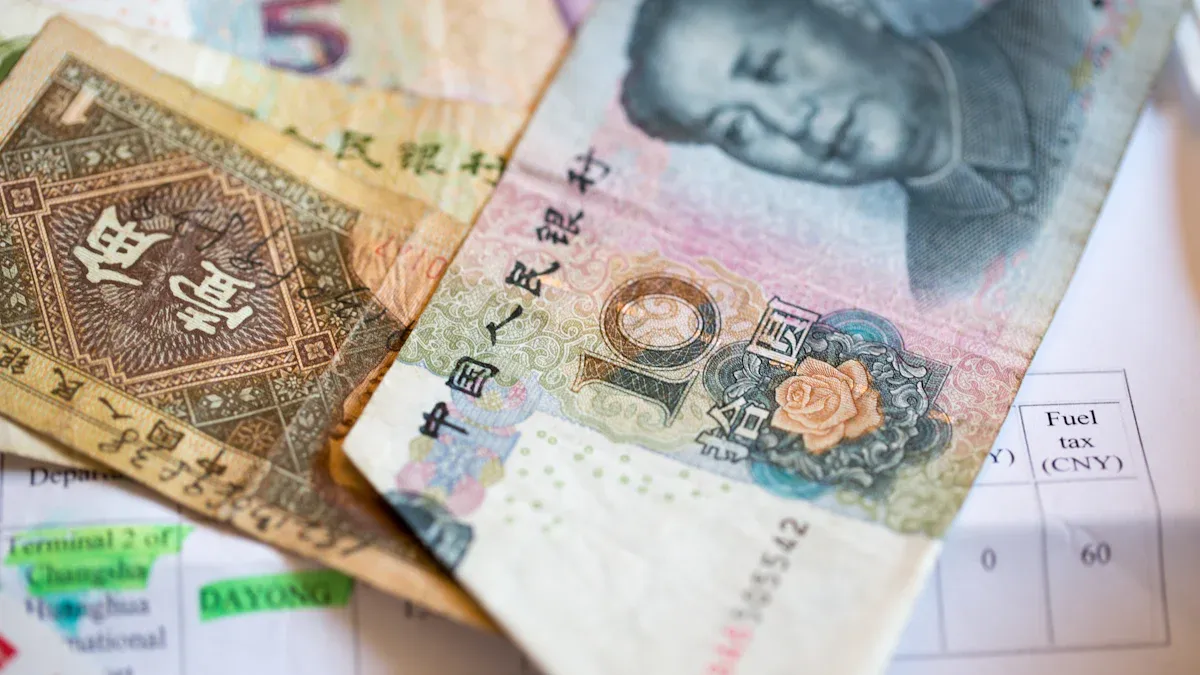
Image Source: unsplash
Rising Costs: How CNY Appreciation Increases Import Commodity Costs
The appreciation of the CNY against the HKD directly affects the cost of imported goods in Hong Kong. When the CNY appreciates, Hong Kong importers need to pay more HKD to purchase goods priced in CNY, leading to higher import costs. This is particularly evident for bulk commodities reliant on Chinese supply, such as oil, ores, and grains.
According to customs statistics, in the first four months of this year, the average import prices of commodities like oil, soybeans, and grains rose by more than 25% year-on-year. CNY appreciation may further drive up the prices of these commodities, increasing financial pressure on Hong Kong importers. Moreover, rising import costs may force Hong Kong businesses to raise selling prices, weakening their competitiveness in the local market.
Fluctuations in import commodity costs may also affect Hong Kong’s consumer market. When commodity prices rise, consumers may reduce purchases, leading to a decline in market demand. This could negatively impact Hong Kong’s retail and related industries.
Supply Chain Pressure: Impact of Exchange Rate Fluctuations on Supply Chain Stability
Fluctuations in the CNY to HKD exchange rate pose challenges to the stability of Hong Kong’s supply chains. Exchange rate changes may lead to instability in raw material and commodity prices, affecting supply chain efficiency and cost management. Global economic growth slowdown and inflationary pressures further exacerbate this situation, impacting the revenue performance of Hong Kong businesses.
Supply chain instability may also result in delivery delays and inventory management difficulties. Exchange rate fluctuations make it challenging for businesses to accurately predict costs, increasing financial risks. For example, sharp fluctuations in raw material prices may force businesses to renegotiate contracts or seek alternative suppliers, raising operational costs.
Additionally, exchange rate fluctuations directly impact Hong Kong businesses’ foreign exchange gains and losses. Many Hong Kong businesses hold foreign exchange positions in USD, JPY, and CNY, and fluctuations in these currencies may lead to financial losses. To address these challenges, Hong Kong businesses need to adopt more flexible supply chain management strategies, such as using financial instruments to hedge exchange rate risks or establishing diversified supply networks.
Impact of CNY-HKD Exchange Rate Fluctuations on Hong Kong’s Export Trade
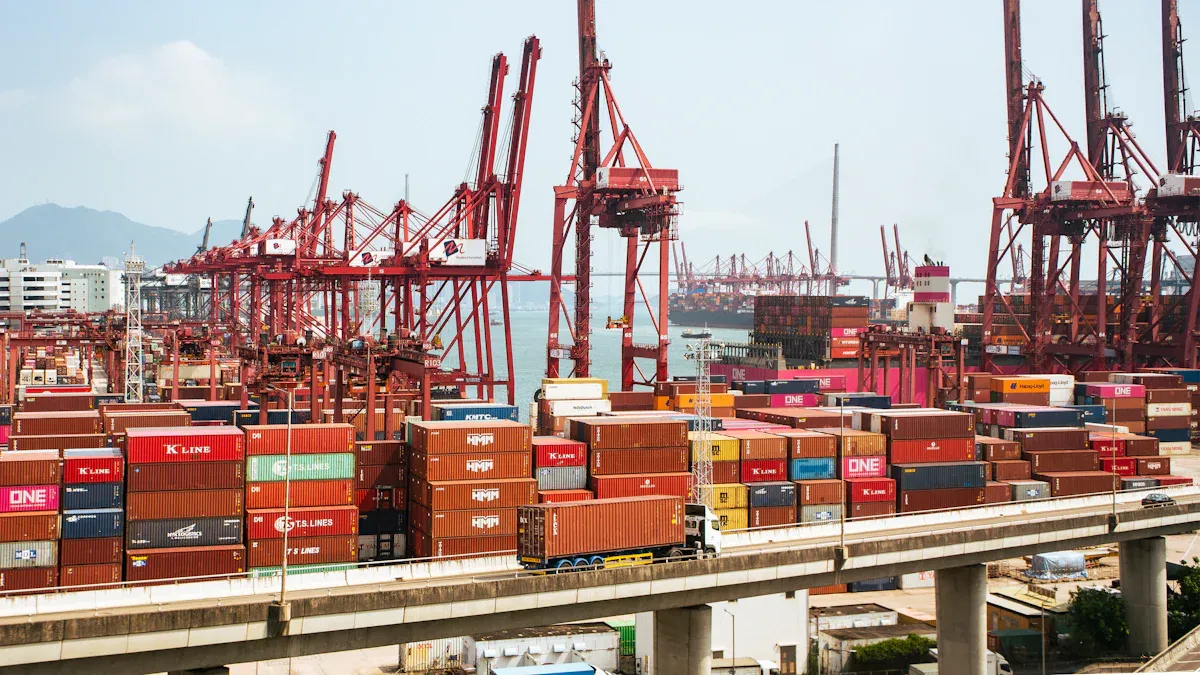
Image Source: pexels
Competitiveness Changes: How CNY Depreciation Affects the Price Competitiveness of Hong Kong Export Goods
CNY depreciation has a significant impact on the price competitiveness of Hong Kong’s export goods. When the CNY to HKD exchange rate falls, Hong Kong exporters’ goods become more attractive compared to other countries. This is because the cost of goods priced in CNY decreases, allowing exporters to offer lower prices in international markets. For example, Hong Kong’s electronics and clothing industries typically attract more overseas buyers during periods of CNY depreciation.
However, this boost in competitiveness is not entirely advantageous. CNY depreciation may lead Chinese suppliers to raise prices to offset exchange rate losses. This increases production costs for Hong Kong exporters, undermining their price advantage. Additionally, the uncertainty of exchange rate fluctuations may make it difficult for exporters to formulate long-term pricing strategies, affecting market stability.
To address these challenges, Hong Kong exporters need to adjust strategies flexibly. They can negotiate more stable prices with suppliers or use financial instruments to hedge exchange rate risks. This helps maintain competitiveness during exchange rate fluctuations and reduces financial pressure.
Foreign Demand: Impact of Exchange Rate Fluctuations on Foreign Market Demand
The impact of exchange rate fluctuations on foreign market demand cannot be overlooked. When the CNY to HKD exchange rate changes, the purchasing power of foreign buyers is also affected. For example, when the CNY appreciates, the prices of Hong Kong export goods may rise, leading foreign buyers to reduce orders. Conversely, when the CNY depreciates, lower commodity prices may increase foreign market demand.
Taking the US market as an example, changes in the USD to CNY exchange rate directly affect US importers’ procurement decisions. If the CNY depreciates, US importers may prefer to source goods from Hong Kong due to more attractive prices. However, if exchange rate fluctuations are too frequent, importers may opt for more stable supply sources, reducing reliance on Hong Kong.
Additionally, exchange rate fluctuations may affect consumer behavior in foreign markets. When commodity prices fluctuate due to exchange rate changes, consumers may delay purchases, waiting for price stabilization. This could have a short-term impact on Hong Kong exporters’ sales.
To address the uncertainty of foreign demand, Hong Kong exporters should diversify their markets, reducing reliance on a single market. They can also strengthen communication with overseas clients, offering flexible payment terms to counter challenges posed by exchange rate fluctuations.
Strategies to Address CNY-HKD Exchange Rate Fluctuations
How Businesses Can Use Financial Instruments to Hedge Exchange Rate Risks
When facing exchange rate fluctuations, businesses should leverage financial instruments to mitigate risks. Common hedging tools include forward contracts, options, and swap transactions. Forward contracts allow businesses to lock in a fixed exchange rate for future transactions, avoiding losses from exchange rate fluctuations. For example, Hong Kong importers can sign forward contracts with banks to lock in the CNY to HKD exchange rate, ensuring stable import costs.
Options offer greater flexibility. Businesses can pay an option premium to gain the right, but not the obligation, to buy or sell currency at a specific exchange rate. This approach suits businesses that want to capitalize on favorable exchange rates while avoiding unfavorable rate risks. Swap transactions are suitable for businesses needing long-term capital allocation, reducing exchange rate risks by exchanging interest rates or principal in different currencies.
Additionally, businesses should strengthen internal risk management. Establishing dedicated foreign exchange risk management teams to regularly analyze exchange rate trends and develop response strategies can help businesses address exchange rate fluctuations more effectively, ensuring financial stability.
Government Policy Support and Market Adjustment Recommendations
The government plays a critical role in addressing exchange rate fluctuations. The Hong Kong government can provide policy support to help businesses reduce exchange rate risks. For example, offering special funds or subsidies to encourage SMEs to use financial instruments for hedging exchange rate risks. The government can also collaborate with banks to introduce low-cost foreign exchange hedging products, easing businesses’ financial burdens.
In terms of market adjustments, the government should strengthen economic cooperation with China to stabilize CNY to HKD exchange rate fluctuations. Promoting bilateral trade agreements can reduce the impact of exchange rate fluctuations on import and export trade. Additionally, the government can enhance businesses’ awareness of exchange rate risk management through education and training. For example, organizing seminars or workshops to introduce tools like forward contracts and options.
Finally, the government should enhance market regulation to prevent speculative activities from exacerbating exchange rate volatility. Establishing a transparent exchange rate market mechanism ensures fluctuations remain within a reasonable range. This not only stabilizes the market but also enhances Hong Kong’s competitiveness as an international financial center.
CNY to HKD exchange rate fluctuations have multifaceted impacts on Hong Kong’s import and export trade. On the import side, exchange rate appreciation increases commodity costs, posing challenges to supply chain stability. On the export side, while depreciation enhances price competitiveness, it also brings cost pressures and uncertainty in market demand.
In the future, Hong Kong should adopt diversified strategies to address exchange rate fluctuations.
For example, businesses can leverage financial instruments to hedge risks, while the government should provide policy support to stabilize the market environment.
Maintaining flexible trade strategies and strengthening international cooperation will help Hong Kong maintain competitiveness amid exchange rate fluctuations and promote stable economic development.
FAQ
How Do CNY Exchange Rate Fluctuations Affect Hong Kong’s SMEs?
CNY exchange rate fluctuations may increase import costs for SMEs, particularly those reliant on Chinese supply chains. Additionally, exporters may face challenges in price competitiveness. SMEs need to respond flexibly, such as using financial instruments to hedge risks.
How Can Hong Kong Businesses Choose Suitable Financial Instruments to Hedge Exchange Rate Risks?
Businesses should select tools based on their needs. For example, forward contracts are suitable for locking in exchange rates, options offer flexibility, and swaps are ideal for long-term capital allocation. Consulting professional advice from Hong Kong banks helps identify the best solutions.
Do Exchange Rate Fluctuations Affect Hong Kong’s Consumer Market?
Exchange rate fluctuations may lead to higher import commodity prices, affecting consumer purchasing power. When commodity prices fluctuate, consumers may delay purchases, impacting the performance of retail and related industries.
How Can the Government Help Businesses Address Exchange Rate Fluctuations?
The Hong Kong government can provide special funds or subsidies to encourage businesses to use hedging tools. Additionally, collaborating with banks to offer low-cost foreign exchange products and enhancing market regulation can reduce the impact of speculative activities on exchange rates.
What Lessons Do Exchange Rate Fluctuations Offer for Diversifying Hong Kong’s Export Markets?
Exchange rate fluctuations highlight the need to reduce reliance on single markets and promote market diversification. Expanding into new markets can lower risks and enhance businesses’ competitiveness in international markets.
CNY-HKD exchange rate fluctuations pose challenges for Hong Kong’s import and export trade, making flexible fund management and efficient cross-border transactions critical. BiyaPay offers an efficient financial solution, enabling trading in U.S. and Hong Kong stocks without offshore accounts, allowing you to participate in the market cost-effectively, whether seizing short-term opportunities in Hong Kong markets or pursuing long-term stable asset growth.
Its platform supports USD, HKD, and 30+ fiat and digital currencies with real-time exchange rate insights, helping businesses and investors effectively manage exchange rate risks while ensuring transparent and efficient cross-border transactions. With remittance fees as low as 0.5% across 190+ countries, it streamlines fund allocation, reducing cost pressures in import-export trade. A flexible 5.48% annualized yield savings product with no lock-in period allows idle funds to grow while awaiting trading opportunities, perfectly aligning with the needs of import-export businesses for flexible fund management and stable returns. Sign up for BiyaPay today to combine hedging strategies with BiyaPay’s versatile tools, stabilizing your response to exchange rate fluctuations and empowering Hong Kong’s import-export trade to thrive!
*This article is provided for general information purposes and does not constitute legal, tax or other professional advice from BiyaPay or its subsidiaries and its affiliates, and it is not intended as a substitute for obtaining advice from a financial advisor or any other professional.
We make no representations, warranties or warranties, express or implied, as to the accuracy, completeness or timeliness of the contents of this publication.
Related Blogs of

Beginner’s Guide: Easily Understand the Shanghai Composite Index and Its Investment Value


US Stock Investing 101: How to Evaluate Company Value and Pick Your First Great Stock


Learn Investing from Zero: Your First Practical Guide to Global Stock Markets

2025 Year-End Outlook: Can the Nasdaq Continue Its Growth Legend Amid Volatility?

Choose Country or Region to Read Local Blog
 Australia
 Austria
 Belgium
 Canada
 Cyprus
 Czech Republic
 Denmark
 Estonia
 Finland
 France
 Germany
 Greece
 Hong Kong
 India
India Indonesia
 Ireland
 Italy
Italy Japan
Japan Latvia
 Lithuania
 Luxembourg
 Malaysia
 Malta
Malta Morocco
 Nepal
Nepal Netherlands
 New Zealand
 Norway
 Pakistan
 Philippines
 Poland
 Portugal
 Romania
 Singapore
 Slovakia
 Slovenia
 South Africa
 South Korea
 Spain
Spain Sweden
 Thailand
 The United States
 Turkey
 United Arab Emirates
 United Kingdom
 Vietnam
Contact Us




BIYA GLOBAL LLC is a licensed entity registered with the U.S. Securities and Exchange Commission (SEC No.: 802-127417); a certified member of the Financial Industry Regulatory Authority (FINRA) (Central Registration Depository CRD No.: 325027); regulated by the Financial Industry Regulatory Authority (FINRA) and the U.S. Securities and Exchange Commission (SEC).
BIYA GLOBAL LLC is registered with the Financial Crimes Enforcement Network (FinCEN), an agency under the U.S. Department of the Treasury, as a Money Services Business (MSB), with registration number 31000218637349, and regulated by the Financial Crimes Enforcement Network (FinCEN).
BIYA GLOBAL LIMITED is a registered Financial Service Provider (FSP) in New Zealand, with registration number FSP1007221, and is also a registered member of the Financial Services Complaints Limited (FSCL), an independent dispute resolution scheme in New Zealand.