How can I easily complete the remittance from the United States to Australia?




Image Source: pexels
Are you feeling troubled about sending money from the US to Australia? In fact, there is a simple secret to completing this easily and cost-effectively.
The key is to choose the right online money transfer service.
Compared to traditional banks, these modern platforms can provide you with more competitive exchange rates and more transparent fees, ensuring every penny is well spent. Choose the right tool, and the entire process will become unprecedentedly simple.
Key Takeaways
- Choosing an online money transfer platform can save costs and provide better exchange rates.
- When sending money, compare the fees and exchange rates of different platforms to find the most cost-effective way.
- Before sending money, carefully verify the recipient’s bank information to ensure accuracy.
- Using exchange rate alert tools can help you find the best timing for sending money.
Sending Money from the US to Australia: Comparison of Mainstream Methods
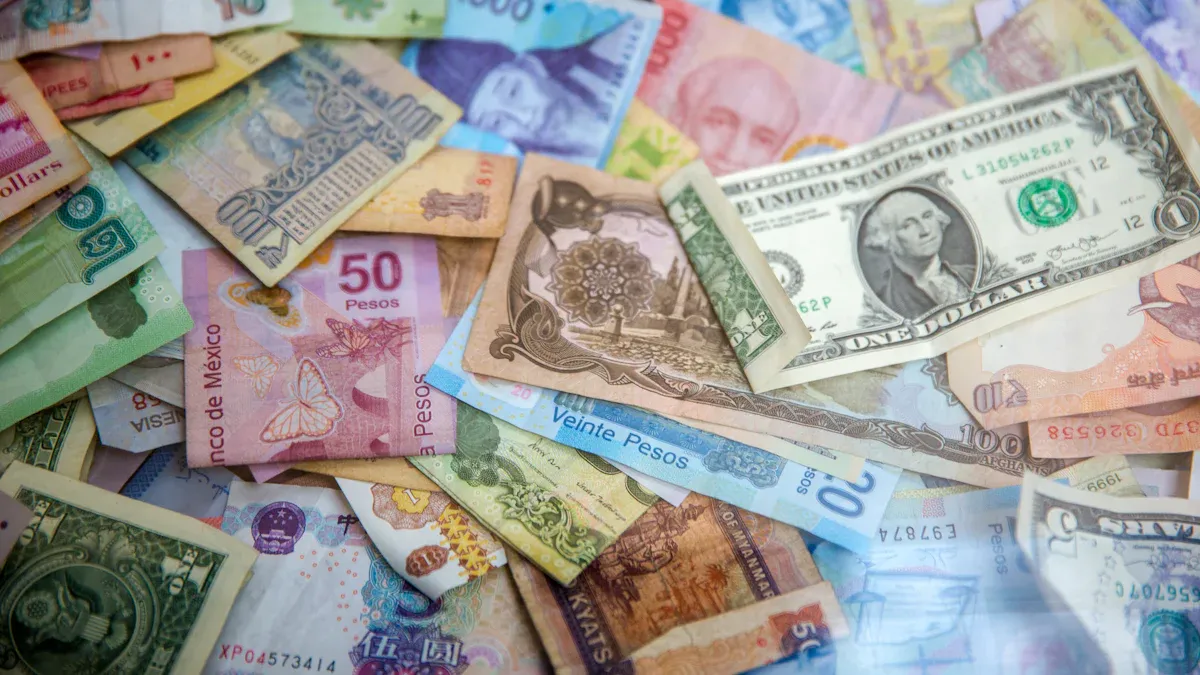
Image Source: unsplash
Choosing the money transfer method is the most important step in the entire process. Different channels vary greatly in fees, speed, and convenience. Understanding these differences can help you make the wisest decision.
Online Platforms
For most people, online money transfer platforms are the best choice for balancing cost and efficiency. They usually offer better exchange rates and lower fees.
- Wise (formerly TransferWise) Wise is known for its transparency. It uses the real mid-market exchange rate, which is the rate you see on Google, without any hidden markups. Its fee structure is very clear.
Wise’s smart technology makes it more efficient, thereby providing you with favorable exchange rates. This means you will get fair exchange rates and clear low prices.
Let’s look at an example of sending 1,000 USD:
| Provider | Exchange Rate (1 USD) | Transfer Fee | Recipient Gets (Sending 1,000 USD) |
|---|---|---|---|
| Wise | 1.53692 AUD (mid-market rate) | 10.11 USD | 1,521.38 AUD |
- Remitly One major advantage of Remitly is flexible receipt methods. Your recipient can choose to deposit the money directly into a bank account or pick up cash at designated locations. This provides great convenience for recipients without bank accounts. However, you need to pay attention to its exchange rates. Remitly may offer attractive promotional rates for new users, but subsequent transfers will use regular rates, which include an exchange rate markup.
- Western Union As a long-established money transfer service, Western Union has a vast network of physical locations, especially suitable for urgent situations needing cash pickup. You can initiate the transfer online, and the recipient can pick up cash at an agent location in Australia within minutes. However, this convenience usually comes with higher fees and less ideal exchange rates.
Traditional Banks
Conducting an international wire transfer through your US bank (such as Chase or Bank of America) is also an option. This method feels secure because you are dealing with a familiar institution.
However, the disadvantages of banks are equally obvious:
- High fixed fees: Regardless of the amount, banks usually charge a fixed wire transfer fee.
- Unfavorable exchange rates: The exchange rates provided by banks usually add a markup to the mid-market rate, which is a hidden cost.
Here is a reference for international wire transfer fees from several major US banks:
| Bank | Transfer Type | Fee (USD) |
|---|---|---|
| Chase | Online foreign currency international transfer (below 5,000 USD) | 5 USD |
| Chase | In-person international wire transfer | 50 USD |
| Bank of America | International foreign currency wire | 35 USD |
| Bank of America | International USD wire | 45 USD |
As shown, even within the same bank, fees can vary greatly depending on the operation method. Therefore, when sending money from the US to Australia, banks are usually not the most cost-effective choice.
Other Options
In addition to professional money transfer platforms and banks, there are some other tools that can be used for transfers.
- PayPal If both you and the recipient have PayPal accounts, the transfer will be very convenient. You only need to enter the other party’s email or phone number to complete the payment. However, when it comes to currency conversion, PayPal’s fees and exchange rates are often not competitive. Its exchange rate markup can be relatively high, so for large-amount transfers from the US to Australia, it may not be the most cost-effective choice.
Breakdown of Transfer Costs and Time
After deciding on the transfer method, the next step is to figure out the specific costs and time. These two factors directly affect your final expense and the recipient’s experience. An option that seems cheap may become less worthwhile due to hidden fees and slow speed.
Fee Structure
The fees for international money transfers are not just the number you see on the website homepage. They consist of several parts, and understanding these can help you avoid unnecessary expenses.
First are explicit fees. These are the fees you can see at a glance, usually including:
- Transfer fee (Transfer Fee): A fixed fee or percentage-based fee charged by the provider for processing the transaction.
- Intermediary bank fee (Intermediary Bank Fee)**: If your transfer needs to go through one or more intermediate banks, they may charge processing fees.
- Tracer fee (Tracer Fee)**: If you want to track the detailed status of the transfer, some banks will charge an additional fee for this.
However, the real big cost is often the hidden fees, namely the exchange rate markup.
The exchange rates provided by many providers are not the “mid-market rate” you see on Google. They add a markup to the real rate to make a profit. This difference is your hidden cost.
For example, if the mid-market rate is 1 USD = 1.53 AUD, a certain provider might only give you 1.50 AUD. Although the difference seems small, when transferring thousands or even tens of thousands of dollars, this difference accumulates into a considerable amount.
Arrival Speed
The speed of the transfer is equally crucial, especially in urgent situations. Different channels vary widely in speed.
- Online platforms: This is the fastest option. For example, Wise claims that 70% of its transfers arrive within 20 seconds, and 95% arrive in the recipient’s bank account on the same day.
- Traditional banks: International wire transfers through banks usually take longer. Funds generally arrive in 3 to 5 business days, as they rely on the SWIFT network and clearing processes between different banks.
In addition, the payment method you choose will also affect the initial processing speed. Generally speaking:
- Credit/debit card payment: Funds can be authorized immediately, allowing the provider to start processing your transfer faster.
- Bank transfer (ACH): This method requires 1-2 business days for the funds to be successfully deducted from your bank account, thus extending the total time.
If you pursue ultimate speed, choosing an online platform that supports credit card payments is the best solution.
Total Cost Calculation
To make the wisest decision, you need to calculate the total cost, not just compare the handling fees. You can use the following simple method to evaluate the true cost of each transfer from the US to Australia:
Total Cost = Public Handling Fee + Hidden Exchange Rate Cost
The “hidden exchange rate cost” here can be calculated as follows:
- Check the current mid-market exchange rate (you can refer to Google or XE.com).
- View the exchange rate provided to you by the money transfer provider.
- Use (mid-market rate - your rate) × the USD amount you want to send to get the amount lost due to the exchange rate difference.
By adding this exchange rate cost to the public handling fee, you can clearly see which provider truly saves you money.
In practice, compare on the “amount received” as the final benchmark. Start by checking live USD/AUD quotes using BiyaPay’s FX Comparison tool, then preview the recipient’s net AUD amount and estimated arrival time via BiyaPay Remittance. If international bank clearing details are required, validate them beforehand with the SWIFT Lookup tool to minimize returns and intermediary deductions.
By confirming the exchange rate, all applicable fees, and recipient details in one streamlined process before submitting your order, you keep costs predictable and the entire experience straightforward.
Online Money Transfer Operation Guide

Image Source: unsplash
After understanding the pros and cons of different methods, you may already be inclined to use online platforms. The operation processes of these platforms are very similar and user-friendly. Below, we use a general online service as an example to show you step by step how to easily complete the transfer.
Account Registration and Verification
First, you need to create an account on the official website of the chosen platform. This process usually only requires your email and password.
After completing basic registration, you need to perform identity verification. This is to comply with financial regulations and ensure the security of your funds.
Please note: Depending on your transfer amount, the platform may require you to complete additional identity authentication. This is a standard procedure, especially for first-time use.
You need to prepare the following documents:
- Identity proof: Such as a state-issued ID, passport, or passport card.
- Social Security Number (SSN): Most platforms require this when processing USD transfers.
- Proof of address: Sometimes you need to provide utility bills or bank statements to verify your residential address.
Creating a Transfer Task
After verification is passed, you can start creating your transfer task from the US to Australia. The entire process is very intuitive:
- Enter the amount: In the calculator, enter the USD amount you wish to send or the AUD amount the recipient needs to receive. The system will automatically display the exchange rate, handling fee, and final arrival amount.
- Fill in recipient information: You need to provide the recipient’s bank account information in Australia.
- Recipient’s full name: Ensure it matches exactly the name on the bank account.
- BSB code: This is a 6-digit code used to identify a specific bank branch in Australia.
- Bank account number: Usually 9 digits.
- Lock the exchange rate: After confirming all information is correct, some platforms will lock the current exchange rate for you, ensuring the amount the recipient receives will not change due to market fluctuations.
Payment and Tracking
The final step is to pay for your transfer. You can choose the most convenient way to fund this transfer, common options include:
- Bank account (ACH)
- Credit or debit card
- PayPal balance
After completing the payment, you will receive a confirmation email. More importantly, you can track the status of your funds in real-time on the platform’s website or App. The platform will provide you with a unique transaction reference number (UETR), allowing you to clearly know every step from the funds leaving your account to being deposited into the recipient’s account.
Practical Tips and Common Questions
Mastering some practical tips and understanding the answers to common questions can make your transfer process smoother and avoid unnecessary trouble and losses.
How to Get the Best Exchange Rate
The exchange rate is a key factor affecting your total cost. To get the best exchange rate, you need to understand some basic knowledge and strategies.
The exchange rate you search online is usually the “mid-market rate.” This is the real rate used in transactions between banks and financial institutions. However, most providers add a profit margin to this to make money, offering you a different “tourist rate.”
To maximize the value of your transfer, you can try the following methods:
- Monitor exchange rate trends: Use exchange rate alert tools from platforms like Wise or XE. You can set a target rate, and the system will automatically notify you when the market reaches your ideal price.
- Choose the right transfer timing: Try to avoid transferring on weekends or public holidays. At these times, forex market activity is lower, which may lead to poor exchange rates.
- Compare different platforms: Before transferring, spend a few minutes comparing the real-time exchange rates and total fees offered by several providers.
Transfer Amount Limits
Different money transfer platforms and services set limits on single or daily transfer amounts. These limits are usually to comply with anti-money laundering regulations and ensure fund security.
Fortunately, the limits of mainstream online platforms are usually high enough to meet most personal transfer needs.
- Wise: Allows you to send up to 1,000,000 USD at once via wire transfer.
- Remitly: The single transfer limit from the US is up to 100,000 USD.
If you need to send funds exceeding the limit, some platforms allow you to transfer in batches. You can also contact customer service to apply for an increase in your transfer limit based on your verification level.
Recipient Information Verification
This is the step most prone to errors but also the most critical. A tiny mistake can lead to transfer delays, failures, or even sending to the wrong person.
Please double-check repeatedly! Electronic payment systems mainly rely on account numbers to process transactions. Even if the recipient’s name is correct, a wrong account number will cause the funds to go to the wrong place.
Before transferring, please confirm the following information with the recipient is accurate:
- Recipient’s full name: The spelling must match exactly the name on the bank account.
- BSB code: The 6-digit identification code for Australian bank branches.
- Bank account number: Usually 9 digits.
If you discover an error in the information after initiating the transfer, please log in to your money transfer platform immediately. If the transfer is still being processed, you can usually choose to “cancel,” and after the funds are returned, you can re-initiate a correct transfer. If the transfer is complete, you need to ask the recipient to contact their bank for help.
Now you understand that when sending money from the US to Australia, online services are a wise choice for balancing speed, cost, and convenience. Your best choice depends on specific circumstances, such as the urgency of the transfer and the amount.
Before making a final decision, be sure to take time to compare the following points:
- Transfer fees: The fees different platforms charge for your transfer amount.
- Exchange rates: Look for the most competitive rates to ensure the recipient gets more funds.
- Transfer speed: Choose the fastest service based on your urgent needs.
Through comprehensive comparison, you can confidently make the most cost-effective transfer decision.
FAQ
Do I need to pay taxes when sending money from the US to Australia?
Generally, as the sender, you do not need to pay taxes on the transfer itself. However, if you gift more than a certain amount (for example, 18,000 USD in 2024) to the same non-US citizen in a year, you may need to report it to the US Internal Revenue Service (IRS).
What if I entered the wrong recipient information?
Please contact your money transfer provider immediately!
If the transfer is still being processed, you can usually cancel the transaction. If the funds have already been sent, you need to request the provider to assist in recovery. Therefore, double-checking the information before sending is crucial.
Does the recipient need to pay fees?
In most cases, the recipient does not need to pay any fees. The fees you pay already cover the entire process. However, in rare cases, the recipient’s bank may charge a small fee for receiving international transfers. You can confirm the policy with the recipient’s bank.
What is “locking the exchange rate”?
Locking the exchange rate means the provider fixes the current exchange rate for you when you confirm the transaction. This way, from the time you pay until the funds arrive, even if the market rate fluctuates, the amount the recipient receives will not change, thus avoiding exchange rate risk.
*This article is provided for general information purposes and does not constitute legal, tax or other professional advice from BiyaPay or its subsidiaries and its affiliates, and it is not intended as a substitute for obtaining advice from a financial advisor or any other professional.
We make no representations, warranties or warranties, express or implied, as to the accuracy, completeness or timeliness of the contents of this publication.
Related Blogs of

US Stock Market Holiday Countdown: How Investors Should Position for Next Week's Trading

Micro Dow, Micro Nasdaq, Micro S&P Futures Comprehensive Comparison – Helping You Find the Best Trading Choice


US-China Trade War Enters New Phase: How the Tech Industry Can Respond to Supply Chain Impacts

Annual Review: Best Performing US Stock ETFs in 2026 and the Logic Behind Them

Choose Country or Region to Read Local Blog
 Australia
 Austria
 Belgium
 Canada
 Cyprus
 Czech Republic
 Denmark
 Estonia
 Finland
 France
 Germany
 Greece
 Hong Kong
 India
India Indonesia
 Ireland
 Italy
Italy Japan
Japan Latvia
 Lithuania
 Luxembourg
 Malaysia
 Malta
Malta Morocco
 Nepal
Nepal Netherlands
 New Zealand
 Norway
 Pakistan
 Philippines
 Poland
 Portugal
 Romania
 Singapore
 Slovakia
 Slovenia
 South Africa
 South Korea
 Spain
Spain Sweden
 Thailand
 The United States
 Turkey
 United Arab Emirates
 United Kingdom
 Vietnam
Contact Us




BIYA GLOBAL LLC is a licensed entity registered with the U.S. Securities and Exchange Commission (SEC No.: 802-127417); a certified member of the Financial Industry Regulatory Authority (FINRA) (Central Registration Depository CRD No.: 325027); regulated by the Financial Industry Regulatory Authority (FINRA) and the U.S. Securities and Exchange Commission (SEC).
BIYA GLOBAL LLC is registered with the Financial Crimes Enforcement Network (FinCEN), an agency under the U.S. Department of the Treasury, as a Money Services Business (MSB), with registration number 31000218637349, and regulated by the Financial Crimes Enforcement Network (FinCEN).
BIYA GLOBAL LIMITED is a registered Financial Service Provider (FSP) in New Zealand, with registration number FSP1007221, and is also a registered member of the Financial Services Complaints Limited (FSCL), an independent dispute resolution scheme in New Zealand.